reportgov.ng

NITDA News

Latest New, NITDA News, Press Release

AI-Driven Cyber Threats Demand Global Action, Experts Warn at ICSC 2026.

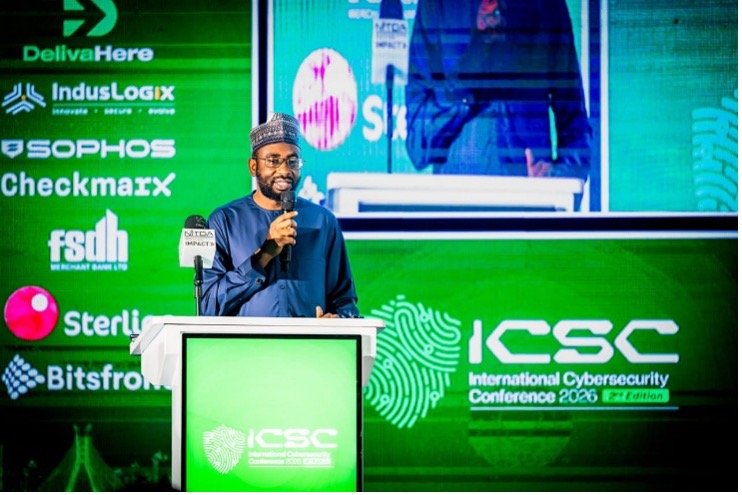
By Mansour Aliyu Hassan. Cybersecurity experts, lawmakers and international partners have called for stronger global cooperation to combat emerging cyber threats driven by artificial intelligence (AI), warning that the rapidly changing digital landscape requires countries to rethink how they protect citizens, institutions and economies. The call was made on Tuesday at the opening ceremony of the International Cybersecurity Conference in Abuja, where stakeholders highlighted the growing sophistication of cyberattacks and the need to strengthen human awareness, institutional resilience and international collaboration. The Director-General of the National Information Technology Development Agency (NITDA), Kashifu Inuwa CCIE, said the increasing use of AI by cybercriminals had created a new dimension to cybersecurity, requiring organisations to deploy advanced technologies to anticipate, detect and counter attacks. He explained that cybersecurity and cyber resilience were complementary but distinct, noting that while cybersecurity focused on preventing attacks, resilience involved the capacity to recover after an attack had occurred. Inu said the growing sophistication of AI had made it necessary to expand cybersecurity strategies beyond the protection of computer systems and digital infrastructure to include the human mind. According to him, cybercriminals increasingly exploit human weaknesses because manipulating people can be easier than breaching sophisticated technological systems. He said the conference would therefore examine how individuals and institutions could strengthen their defences against both technological attacks and attempts to manipulate human behaviour. In his remarks, the Chairman of the Senate Committee on ICT and Cybersecurity, Senator Shuaib Afolabi Salisu described the conference as an opportunity to advance technology diplomacy and strengthen Nigeria’s international partnerships in the digital sector. He said the participation of legislators from other countries demonstrated growing international interest in Nigeria’s technology initiatives and reinforced the country’s potential as a destination for business and collaboration. The Director-General’s position was reinforced by the Chairman of the House of Representatives Committee on ICT and Cybersecurity, Hon. Adedeji Stanley Olajide who described cybersecurity as a moving target that demanded continuous learning and adaptation. He warned that strategies effective today might no longer be sufficient tomorrow, given the speed at which artificial intelligence was changing the methods and capabilities available to cybercriminals. He called for stronger collaboration among cybersecurity practitioners, policymakers, diplomats, judges and heads of government agencies, stressing that cyber threats transcended national and continental boundaries. The lawmaker said countries across the Americas, Europe, Asia, Africa and Latin America needed to recognise cybersecurity as a common challenge requiring coordinated international action. Similarly, the Chair of the Council of Europe’s Cybercrime Convention Committee, Pedro Verdelho stressed the need to bridge the gap between the rapid adoption of digital technologies and public understanding of their associated risks. He observed that artificial intelligence and other digital tools had become integral to everyday activities, including travel planning, online searches and commercial transactions, but awareness of the dangers accompanying their use remained inadequate. He called for greater cybersecurity awareness among government institutions, private-sector organisations and ordinary citizens. The European official also highlighted the importance of the Budapest Convention, an international treaty designed to facilitate cooperation against cybercrime and improve access to electronic evidence, welcoming the participation of countries in the region in the framework. Meanwhile, the Swedish Ambassador to Nigeria, Anna Westerholm said cybersecurity was essential to building public confidence in digital transformation, warning that increased connectivity also created greater exposure to cyber risks. The ambassador said Nigeria’s digital transformation offered significant opportunities for innovation, economic growth and inclusion, with Sweden and Swedish companies supporting the country’s journey.  
Latest New, NITDA News, Press Release

NITDA DG: Digital Infrastructure Critical to Nigeria’s Economic Growth

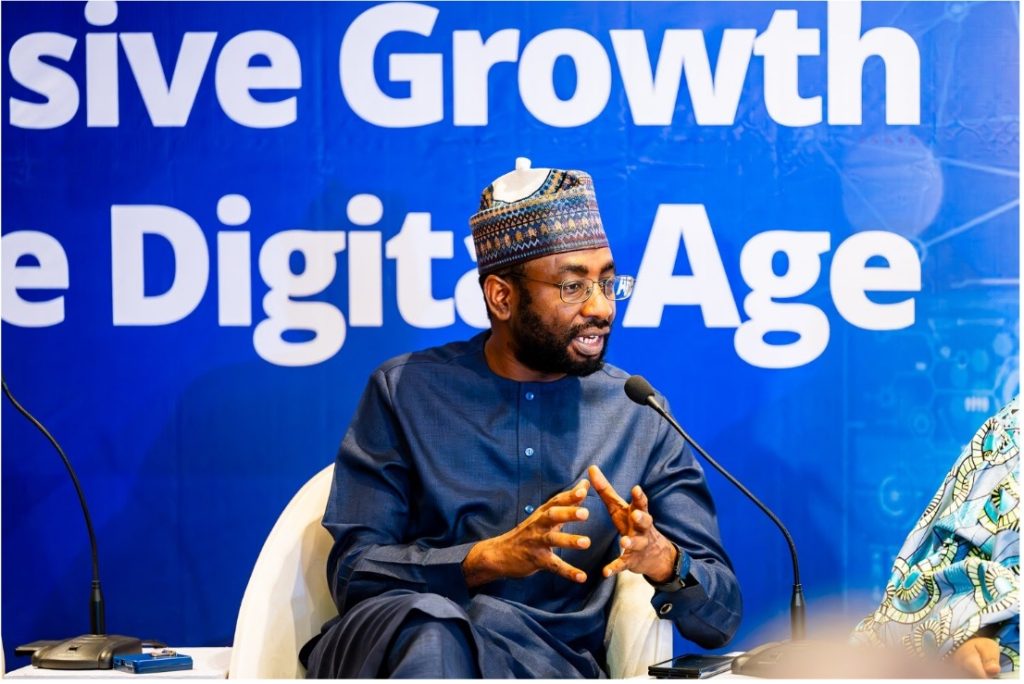
By James Ishaku The Director-General of the National Information Technology Development Agency (NITDA), Kashifu Inuwa, has emphasised the need for inclusive digital infrastructure, affordable connectivity and sustained investment in emerging technologies to accelerate Nigeria’s economic growth and ensure that no citizen is left behind in the digital economy. Inuwa stated this while participating in a session titled “Inclusive Growth in the Digital Age” at the 32nd Nigerian Economic Summit (NES#32), organised by the Federal Ministry of Budget and Economic Planning while highlighting the importance of expanding telecommunications infrastructure, particularly to underserved and rural communities, noting that Africa’s telecommunications history demonstrates how innovation can overcome seemingly insurmountable barriers to development. Reflecting on the growth of the telecommunications sector since 2000, he recalled that many investors were initially reluctant to commit resources to the industry because of doubts about Africans’ ability to afford mobile phones. However, innovative approaches to infrastructure development and service delivery helped transform the sector despite inadequate electricity, roads and other essential infrastructure. According to him, innovation must focus on democratising access, reducing costs and extending connectivity to rural communities to ensure that every citizen can participate meaningfully in the digital economy. He noted that connectivity has become fundamental to social and economic inclusion, particularly as artificial intelligence (AI) increasingly shapes decision-making and service delivery worldwide. “If you are not represented, if you are not digitally visible, AI will not see you or consider you when making decisions,” he said, stressing that the exclusion of communities from the digital ecosystem could also mean the underrepresentation of their cultures, values and languages in emerging technologies. Inuwa said the Federal Government, under President Bola Ahmed Tinubu’s leadership, was committed to using technology to promote inclusivity and national prosperity. He explained that the President of Nigeria had directed the Minister of communications, Innovation and Digital Economy, Bosun Tijani to conceptualise two major initiatives aimed at expanding connectivity across the country: the Universal Service Provision Fund (USPF) project and Project BRIDGE. According to him, the USPF initiative is designed to extend telecommunications coverage to underserved areas through the deployment of base stations, while Project BRIDGE aims to deploy approximately 95,000 kilometres of fibre-optic infrastructure nationwide. He said the initiatives would promote open-access infrastructure, encourage private-sector participation and make broadband services more affordable for Nigerians. The NITDA Director General also called for a broader understanding of infrastructure development, arguing that the digital economy requires investments beyond conventional infrastructure such as roads and railways. “Today, we are in a digital era; therefore, we need to build digital highways for our data as well,” he said. He added that as Nigeria advances its artificial intelligence ambitions, investments in data centres, computing capacity and AI factories would be essential to ensuring that the country can harness the technology’s economic potential. Inuwa further highlighted the relationship between connectivity, productivity and affordability, describing it as a chicken-and-egg situation. He explained that while telecommunications operators are concerned about consumers’ ability to pay for services, improved connectivity can enhance productivity, expand business opportunities and increase incomes, thereby strengthening citizens’ capacity to afford digital services. He stressed the need to connect underserved communities so that individuals and businesses could use technology to improve their livelihoods, access new markets and participate more effectively in economic activities. Beyond economic benefits, Inuwa said expanded digital infrastructure would enable the government to improve public service delivery and reduce operational costs by making essential services more accessible online. He explained that citizens interact with government institutions at different stages of their lives, from birth registration and healthcare to education, employment, business development, marriage and property ownership. However, the traditional process often requires citizens to visit multiple government offices to access these services. According to him, a well-developed digital infrastructure would enable citizens to access government services more conveniently, improve service delivery and reduce administrative overheads. He maintained that bridging Nigeria’s digital divide requires coordinated action by government and the private sector, supported by sustained investment in connectivity and advanced digital infrastructure. Inuwa reiterated that inclusive digital development remains essential to ensuring that all Nigerians can benefit from technological innovation, contribute to national productivity and participate in the country’s emerging digital economy.

Latest New, NITDA News, Press Release

NITDA DG Calls for Africa’s Transition from Digital Consumers to Global Creators ; Unveils Strategy to Connect Nigerian Startups with Markets- Targets 3billion Naira Investment Pipeline

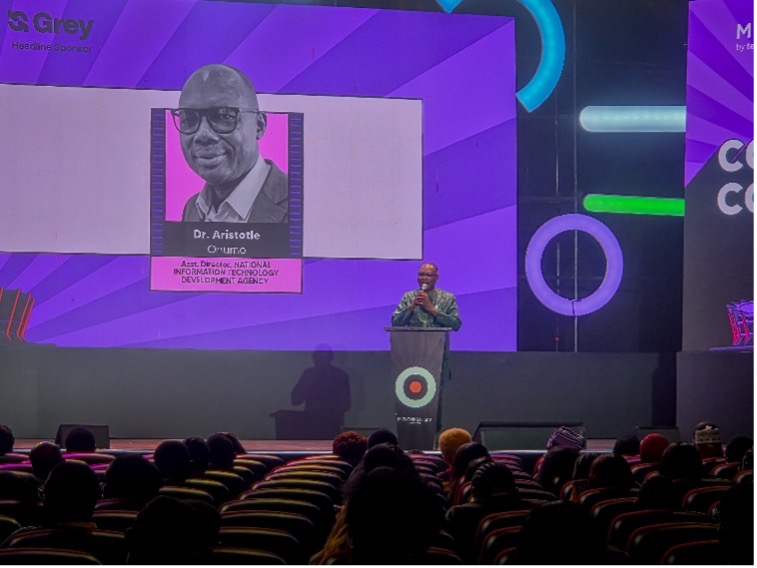
LAGOS, October 30, 2026 — The Director-General of the National Information Technology Development Agency (NITDA), Kashifu Inuwa Abdullahi, CCIE, has challenged African innovators, investors and policymakers to transform the continent from a major consumer of digital technologies into a globally competitive creator of innovative solutions, intellectual property and sustainable technology enterprises. In his keynote address prepared for Moonshot 2026, organised by TechCabal at the National Theatre, Lagos, from October 28–29, under the theme “Courage & Conviction — Building for a New World,” the NITDA boss emphasised that Africa’s technological future must be defined by innovation, entrepreneurship, collaboration and measurable economic impact. “Africa’s next chapter will not be written by the technologies we consume. It will be written by the value we have the courage to create,” he declared. Abdullahi observed that Africa possesses exceptional technological talent but continues to face significant gaps in access to infrastructure, financing, mentorship and markets. He stressed that bridging these gaps requires stronger collaboration among government, universities, investors, technology companies and innovation hubs. Highlighting NITDA’s evolving role as an ecosystem orchestrator, he explained that the Agency’s Strategic Roadmap and Action Plan (SRAP 2.0) prioritises connecting digital talent to opportunities, research to commercialisation, startups to capital, innovation to markets and technological advancement to public trust. He challenged Nigeria’s technology ecosystem to move beyond celebrating hackathons, pitch competitions and funding announcements towards building commercially viable enterprises that create jobs, solve real problems and compete internationally. “The true measure of an innovation ecosystem is not how many startups it celebrates. It is how many sustainable enterprises it helps create,” he stated. As part of this transformation, the Director-General highlighted the forthcoming Builders’ Festival at the Digital Nigeria International Conference and Exhibition, scheduled for November 10–12, 2026, in Abuja. The initiative aims to connect indigenous startups developing solutions to real industry challenges with corporate organisations, investors and potential customers, targeting a ₦3 billion investment pipeline for promising entrepreneurs. He clarified that the figure represents a mobilisation target rather than funding already secured. On artificial intelligence, Abdullahi urged Nigeria to develop indigenous AI capabilities in agriculture, healthcare, education, manufacturing and local-language technologies rather than remain dependent on imported applications. He called on investors to support promising indigenous enterprises, corporations to create opportunities for startup solutions, and government institutions to strengthen enabling policies, infrastructure and strategic partnerships. Concluding, the NITDA boss maintained that Africa’s technological competitiveness would depend on three critical foundations: innovation, trust and disciplined execution. “The future will not belong only to those who predict it. It will belong to those with the courage to build it, the conviction to sustain it, and the discipline to make it work,” he declared. He urged African innovators to embrace global ambition while developing solutions that create lasting economic opportunities and prosperity across the continent. “Let us stop asking whether Africa can build the future. Let us start demonstrating how Africa will build it.”

Latest New, NITDA News, Press Release

NITDA, CBN PARTNER TO STRENGTHEN NIGERIA’S DIGITAL SOVEREIGNTY THROUGH NATIONAL SOVEREIGN CLOUD INITIATIVE

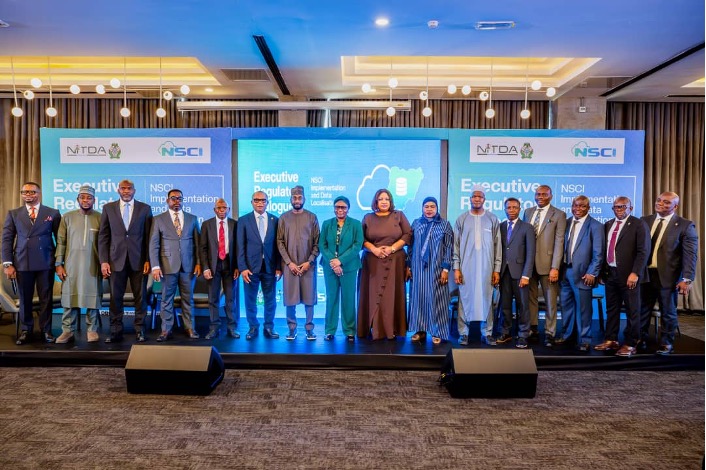
by Oluwole Alao The National Information Technology Development Agency (NITDA) has reaffirmed its commitment to strengthening Nigeria’s digital sovereignty and protecting the nation’s critical digital infrastructure through its partnership with the Central Bank of Nigeria (CBN) to advance the implementation of the National Sovereign Cloud Initiative and data localisation. NITDA Director General, Kashifu Inuwa, CCIE, made this known at the Executive Regulatory Dialogue, organised by NITDA in partnership with the Central Bank of Nigeria (CBN), which brought together stakeholders across the financial services, telecommunications, data centre, and technology sectors to discuss strategies for strengthening Nigeria’s control over the digital infrastructure that underpins its economy. During his welcome and context-setting address, Inuwa emphasised that digital sovereignty has become a critical national priority as Nigeria’s economy increasingly relies on digital platforms and infrastructure to deliver essential services, particularly in the financial sector. While highlighting the potential implications of external disruptions to essential digital services, Inuwa questioned, “Imagine what will happen to our economy if tomorrow a major disruption or geopolitical crisis prevents our banks from accessing critical digital infrastructure hosted outside our country. Can our citizens still transfer money? Can businesses still receive payments? Can our banks keep processing transactions? Can our economy continue functioning?” He explained that such concerns extend beyond technology to issues of national economic security, financial stability and the country’s ability to maintain control over its digital future. According to the NITDA DG, digital sovereignty should not be interpreted as technological isolation or an attempt to develop every technology locally. Rather, it involves building the national capacity required to make informed decisions about the technologies, infrastructure and standards on which the country depends. “Digital sovereignty is not about politics. It is not about isolation. It is not about building everything ourselves, but it is about building our digital capacity to compete in the world we are today,” Inuwa stated.   He noted that Nigeria’s financial sector provides a compelling example of how deliberate policy decisions can stimulate digital transformation and local innovation. Recalling the introduction of the CBN’s cashless policy years ago, he explained that the policy’s push for financial institutions to upgrade their technology infrastructure helped create opportunities for fintech companies to develop innovative solutions, contributing to Nigeria’s emergence as a leading fintech ecosystem. He commended the CBN for taking further steps to strengthen the country’s control over the infrastructure supporting financial services, expressing confidence that the sector could once again lead the way in advancing Nigeria’s digital transformation. “Through this partnership, NITDA and CBN are working together to make sure the financial sector is the first sector to comply with our National Sovereign Cloud Initiative,” he stated. Inuwa further explained that NITDA’s role is to provide the standards and overarching policy framework that sector-specific regulators can leverage to advance digital transformation within their respective industries. He stressed that achieving digital sovereignty requires a collaborative ecosystem involving financial institutions, telecommunications operators, data centre providers, system integrators, technology companies and global cloud service providers. He assured stakeholders that the Nigerian technology ecosystem has the capacity to support the initiative, noting that the country is building on existing capabilities and international experience rather than starting from scratch. “We have done it before, and we are going to do it now. So this is not something you can doubt; it is something that already exists,” he said, urging stakeholders to work collectively towards implementing the initiative. The NITDA boss further disclosed that an assurance framework would guide implementation, with the Agency seeking to leverage existing international certification standards while ensuring compliance with Nigeria’s national sovereign architecture requirements. He added that the development of national certification options was also being explored to provide greater flexibility and choice. He identified control, independence, resilience, risk management and freedom of choice as fundamental principles of digital sovereignty. According to him, Nigeria must develop the capacity to maintain essential services despite external disruptions, reduce exposure to geopolitical and technology-related risks, and avoid excessive dependence on individual vendors or jurisdictions.   While underscoring the need for resilient digital infrastructure capable of sustaining critical financial operations during disruptions, Inuwa averred, “Submarine cable disruption cannot automatically affect our payment system.” He added that the initiative would help prevent vendor lock-in and strengthen Nigeria’s ability to determine the technologies and infrastructure best suited to its national interests. In his keynote address, the Deputy Governor, Financial System Stability, CBN, Mr Lamido Abubakar Yuguda, reaffirmed the Bank’s commitment to strengthening Nigeria’s financial stability, cybersecurity and protection of critical financial data through the implementation of the National Sovereign Cloud Initiative (NSCI) and data localisation. Yuguda commended NITDA for its leadership in advancing Nigeria’s digital transformation agenda, noting that the growing adoption of digital payments, fintech, mobile money and digital banking has increased the financial sector’s dependence on digital infrastructure. He stressed that financial institutions must strengthen cybersecurity, business continuity, disaster recovery and risk management arrangements, while ensuring compliance with applicable data localisation requirements and the January 1, 2027, implementation timeline for critical payment transaction data. The CBN Deputy Governor emphasised that the initiative should promote innovation rather than isolate Nigeria from global technological developments, calling for stronger collaboration among regulators, financial institutions and technology providers. “Our collective objective should be clear: to build a digital financial ecosystem that is innovative without compromising security, sovereign without becoming isolated and resilient enough to sustain public confidence,” he stated. In his presentation on the pre-event survey findings, the Special Assistant to the NITDA DG on Policy, Dr Muhammad Aminu Lawal, disclosed that the survey has identified regulatory clarity, migration timelines and local infrastructure capacity as critical issues requiring urgent attention ahead of the January 1, 2027, deadline. He, however, highlighted that on the supply side, the survey indicated that Nigeria has existing capacity to support early adopters, with 79 per cent of the 42 digital infrastructure and service providers surveyed reporting readiness to accommodate additional financial-sector workloads, while 74 per cent said they could onboard new financial customers within three months. Dr Lawal stated

Latest New, NITDA News, Press Release

NITDA DG Calls for Transition from Certificate Economy to Capability Economy

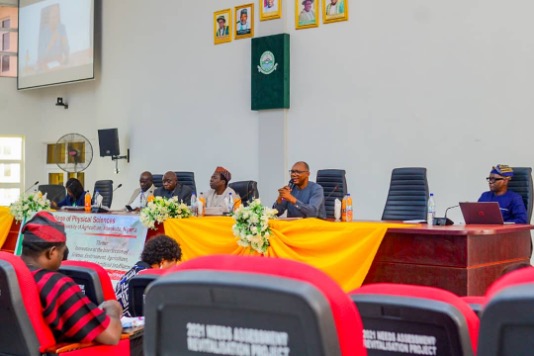
By Oluwole Alao   In alignment with the presidential agenda of Reforming the Economy for Sustained Inclusive Growth, the Director General of the National Information Technology Development Agency (NITDA), Kashifu Inuwa, CCIE, has called for a fundamental shift in Nigeria’s education system from an economy that places primary emphasis on academic certificates to one that prioritises practical capabilities, innovation, and the ability to translate knowledge into solutions that drive national development. The DG, who was represented by the agency’s Director of the Special Duties Department,  Dr Aristotle Onumo, made this call while delivering the keynote address at the 3rd International Biennial Conference of the College of Physical Sciences (COLPHYS 2026) at the Federal University of Agriculture, Abeokuta (FUNAAB), Ogun State. Speaking on the theme, “From Scientific Discovery to National Prosperity: Harnessing Artificial Intelligence and Convergent Innovation to Transform Nigeria,” he emphasised the need for universities to move beyond the traditional boundaries of academic disciplines and embrace collaborative research, emerging technologies, and practical problem-solving. Addressing the university community, researchers, scientists, entrepreneurs, and students, Inuwa noted that Nigeria’s development would depend not merely on the volume of research produced or the number of academic publications generated, but on the country’s ability to convert scientific knowledge into productive enterprises, innovative solutions, improved public services, and better livelihoods. “The future of our country will not be determined simply by how much research we produce. It will be determined by how effectively we convert research into productivity, innovation, enterprise and national prosperity,” he stated. He explained that Artificial Intelligence (AI) is increasingly enabling convergence across disciplines such as agriculture, healthcare, environmental science, mathematics, engineering, and data science, creating opportunities to address complex national challenges through multidisciplinary collaboration. According to him, AI should complement human expertise and strengthen scientific discovery rather than replace researchers or diminish the importance of human judgment. While stressing that the real value of technological advancement lies in its practical application to improve human lives, the DG said, “AI does not replace science. It amplifies science.” Using agriculture as an example, he illustrated how integrating agricultural science, satellite imagery, climate modelling, Internet of Things sensors, and AI could help farmers improve planting decisions, detect crop diseases, optimise irrigation, reduce input waste, and access better market information. He, however, cautioned that innovations must be designed around Nigeria’s realities, including local languages, affordability, limited connectivity, and the specific needs of the people expected to use them. He similarly highlighted opportunities for AI-enabled solutions in healthcare and climate resilience, including improved disease surveillance, clinical decision support, flood-risk prediction, and early-warning systems. He maintained that such technologies must be responsibly deployed, with appropriate safeguards for data privacy, accountability, fairness, and public trust. Inuwa reaffirmed NITDA’s commitment to strengthening Nigeria’s digital transformation ecosystem through digital literacy, talent development, digital infrastructure, innovation, and responsible technology adoption. He referenced the Agency’s Strategic Roadmap and Action Plan (SRAP 2.0), the National Digital Literacy Framework (NDLF), the Digital Literacy for All initiative (DL4ALL), and the 3 Million Technical Talent (3MTT) programme as key efforts supporting the development of the skills and capabilities required for a technology-driven economy. He also highlighted the importance of expanding access to reliable connectivity and research infrastructure, noting that scientific institutions need suitable computing resources, quality datasets, secure cloud environments, and dependable electricity to compete effectively and develop locally relevant innovations. He called for stronger partnerships among government, academia, industry, investors, and entrepreneurs to create pathways through which promising research can be validated, commercialised, and deployed at scale. Turning specifically to higher education institutions, the NITDA DG urged universities to redefine how they measure academic and institutional success by placing greater emphasis on research impact, collaborative problem-solving, entrepreneurship, and the development of graduates capable of creating opportunities rather than merely seeking existing jobs. “The university of the future cannot remain merely a place where knowledge is transmitted, and certificates are awarded. It must become a place where problems are investigated, solutions are developed, enterprises are created, and society is transformed,” he said. He encouraged universities to strengthen technology transfer mechanisms, establish more effective research-industry partnerships, expand entrepreneurship education, and connect innovation hubs to real market and community needs. He further challenged researchers to consider how their discoveries could progress from academic publications to working prototypes, field-tested solutions, and sustainable products or services that address pressing national challenges. Speaking directly to students, Inuwa emphasised that academic qualifications remain important but must be complemented by relevant competencies, including digital and AI literacy, critical thinking, communication, teamwork, ethical judgment, and the capacity to solve practical problems. “Your certificate may open the door, but your capability will determine how far you go,” he remarked, urging students to use emerging technologies not merely to reproduce existing knowledge but to investigate difficult questions, discover new possibilities, and develop solutions to problems affecting their communities. As part of his challenge to FUNAAB and its partners, the DG proposed a practical 12-month innovation agenda aimed at translating conference deliberations into measurable outcomes. He urged the College of Physical Sciences to identify a select number of high-impact national challenges within the first 90 days, establish collaborative research teams and begin developing prototypes within six months, test promising solutions with relevant communities and industry partners within nine months, and organise a research-to-impact showcase within 12 months. He stressed that the proposed agenda should be assessed through tangible outcomes, including validated prototypes, effective partnerships, commercialisation opportunities, and measurable benefits to society, rather than speeches and presentations alone. He also encouraged the conference organisers to build on the technical sessions and proposal-writing workshop to develop fundable, collaborative research projects. Inuwa expressed NITDA’s openness to exploring structured, mandate-aligned collaboration with academic and research institutions, particularly in areas that advance digital skills, responsible AI, indigenous innovation, and practical applications of emerging technologies. He maintained, however, that successful partnerships must begin with clearly defined problems and credible implementation plans. He challenged researchers, university leaders, and students to reflect on the problems their research would solve, the lives their innovations would improve,

Latest New, NITDA News, Press Release

NITDA, Key Stakeholders Galvanise Partnerships to Accelerate Nigeria’s Digital Transformation

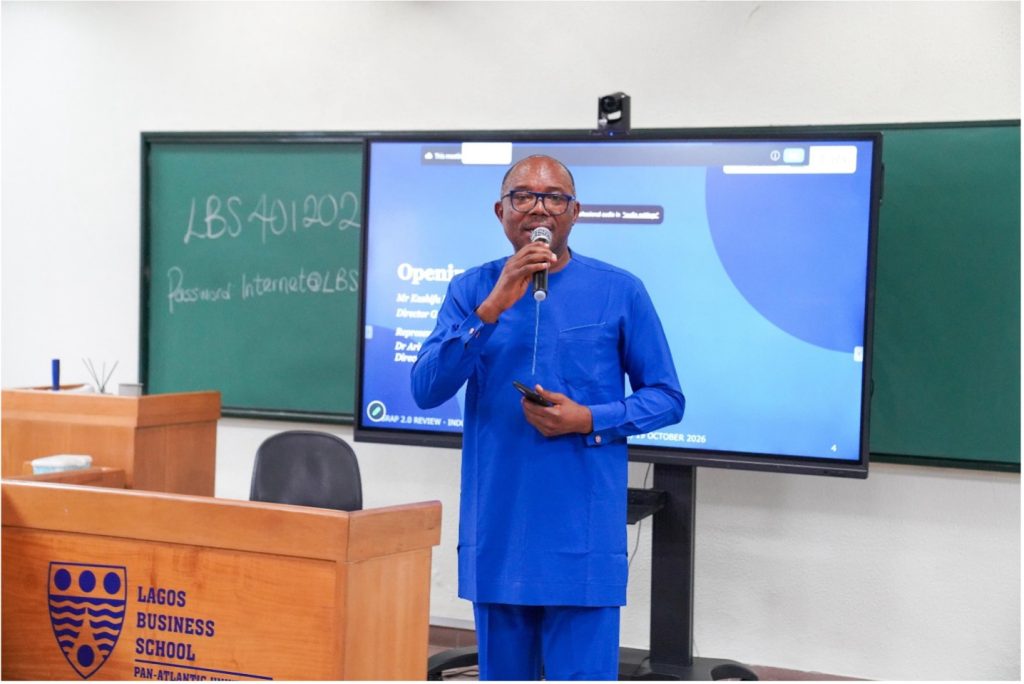
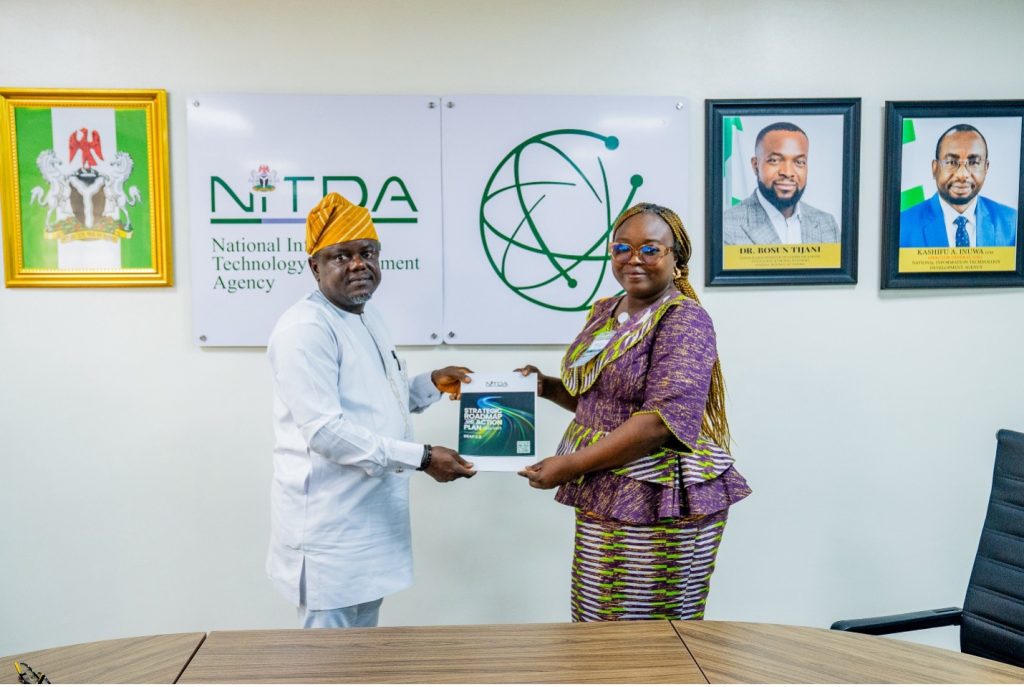
By James Ishaku The National Information Technology Development Agency (NITDA) has reaffirmed the importance of strategic partnerships and stakeholder collaboration in advancing Nigeria’s digital transformation agenda, calling for renewed commitment to the implementation of its strategic roadmap and action plan. The Director General of NITDA, Kashifu Inuwa, who was represented by Dr Aristotle Onumo,  Director, Special Duties Directorate made the statement during  the SRAP 2.0 Stakeholders’ Engagement at Lagos Business School, Lagos State. Inuwa commended the leadership of Lagos Business School for sustaining the partnership with the agency, noting that collaboration and collective intelligence remained critical to achieving meaningful progress in Nigeria’s digital ecosystem. He stressed that the impact of the agency’s initiatives could be deepened through stronger partnerships, adding that inclusive stakeholder participation was essential to delivering sustainable results in the country’s digital transformation efforts. According to him, the strategic roadmap and action plan were developed through extensive stakeholder consultations and collaborative engagements, rather than as an internal document produced without external input. He noted that stakeholders, including members of Lagos Business School, actively participated in developing the document, making their continued involvement in reviewing its implementation necessary. The DG explained that the engagement provided an opportunity to assess progress, determine whether existing priorities remained relevant, identify areas requiring modification and establish whether the initiatives were delivering their intended impact. He emphasised that the review was also necessary to evaluate progress against commitments made to stakeholders and ensure that the agency’s programmes continued to respond to the evolving needs of Nigeria’s digital ecosystem. The NITDA DG also acknowledged the contributions of colleagues at the agency, highlighting its gradual transition towards becoming an ecosystem platform for digital innovation. He observed that the agency’s approach was increasingly embracing co-creation and collaboration, moving beyond the traditional model of issuing regulations, directives and guidelines to working with stakeholders in developing and delivering digital solutions. According to him, this approach was essential to building an enabling environment where innovation could thrive and digital initiatives could achieve broader societal and economic impact. Inuwa further noted that the agency had spent the past three years advancing the transition and was approaching the final phase of the process. He urged stakeholders to renew their commitment and sustain the momentum required to achieve the desired outcomes. Reaffirming the agency’s vision, he said the goal remained to make Nigeria a digitally enabled nation, fostering inclusive economic development through technological innovation. He explained that the eight strategic pillars underpinning the roadmap remained central to achieving this vision and would continue to guide the agency’s priorities and interventions. The DG urged stakeholders to critically assess progress across these areas, particularly in digital skills development, regulatory effectiveness, digital infrastructure and services, entrepreneurship, innovation and the growth of Nigeria’s startup ecosystem. He also highlighted the importance of examining progress in implementing the Startup Act and assessing its contribution to strengthening the startup community and promoting innovation-driven enterprise development. On stakeholder engagement, he stressed the need to ensure that relevant players across the digital ecosystem were carried along, noting that effective collaboration remained essential to achieving the objectives of the national digital agenda. He expressed confidence that sustained partnerships, collective commitment and constructive contributions from stakeholders would help the agency address emerging challenges, strengthen implementation and advance Nigeria’s digital development goals. Inuwa concluded by urging stakeholders to embrace the partnership approach and work collectively towards building a digitally enabled Nigeria that could serve as a catalyst for digital transformation across Africa.

Latest New, NITDA News, Press Release

GITEX 2026: HAMZAT MAKES INVESTMENT CASE FOR LAGOS AS AFRICA’S TECHNOLOGY GATEWAY

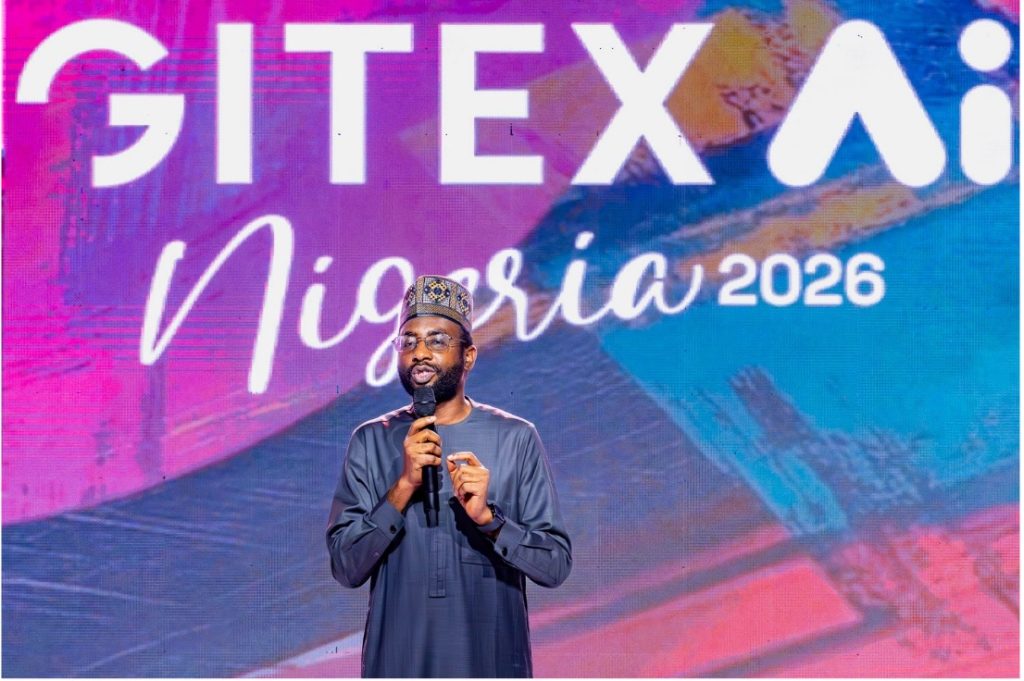
Inuwa Outlines Nigeria’s Vision to Build Africa’s Digital Future Why Nigeria Continues to Attract Global Technology Investment- GITEX CEO By Lukman Oladokun Deputy Governor of Lagos State, Dr Kadir Obafemi Hamzat, has made a strong case for Lagos as Africa’s premier destination for technology investment, urging global investors, technology firms and innovators to establish long-term operations in the state and use it as a gateway into the continent’s rapidly expanding digital economy. Speaking on behalf of Governor Babajide Sanwo-Olu at GITEX Nigeria 2026 held at the Landmark Event Centre, Lagos, Hamzat said the state’s emergence as the host of one of the world’s leading technology exhibitions reflects its growing economic influence, innovation ecosystem and strategic importance to Africa’s future economy. According to him, the decision to host GITEX in Lagos was not based on goodwill or sentiment, but on the city’s economic strength and growing relevance within the global technology landscape. “It was not a courtesy extended to us. It was a commercial judgement made about Lagos,” Hamzat said. “We did not earn this event because Lagos is easy. Lagos is not easy. We earned it because Lagos is consequential. What happens in this city sets the direction for this continent.” The Deputy Governor said Lagos has evolved into one of Africa’s most influential economic hubs, with developments in the state increasingly shaping technology, innovation and investment trends across the continent. He noted that startups founded in Lagos have grown into cross-border businesses operating in sectors such as financial technology, logistics and e-commerce, reinforcing the state’s reputation as a leading innovation ecosystem. Highlighting infrastructure as a key driver of growth, Hamzat said Lagos has deployed about 3,000 kilometres of fibre-optic infrastructure and is progressing towards a 6,000-kilometre unified fibre network to expand broadband access and strengthen the digital economy. He stated that the network was built under an open-access model that enables operators to share infrastructure, thereby reducing costs and accelerating connectivity projects. “When a new entrant arrives in Lagos, the most expensive part of their network is already on the ground,” he said. “Lagos is not at the end of the world’s digital infrastructure. Lagos is one of its landing points.” Addressing concerns around power supply, Hamzat said Lagos has opted for structural reforms, including its Electricity Law, the establishment of the Lagos State Electricity Regulatory Commission and the licensing of operators across generation, distribution and metering. He added that the state is pursuing increased electricity capacity and expanded access to reliable power for businesses and residents. “Lagos has constraints, but what distinguishes Lagos is that we name those constraints, we regulate them, we finance them and we invite you to build the solution with us,” he said. The Deputy Governor identified talent as Lagos’ greatest competitive advantage, noting that technology professionals from the state are contributing to organisations across major innovation centres around the world. He also highlighted state-backed support for research, innovation and entrepreneurship through various initiatives aimed at strengthening the startup ecosystem and commercialising research outputs. On artificial intelligence, Hamzat said Africa must play an active role in creating technologies rather than merely consuming them. “We must become builders. That means talent, compute capacity, data infrastructure, research institutions and commercial models that keep value on this continent instead of exporting it,” he said. In a direct appeal to international technology companies, he urged investors to deepen their presence in Lagos by establishing engineering hubs, data centres, research facilities and regional headquarters in the state. “Do not merely sell into Lagos. Put your engineering here. Put your data centre capacity here. Put your regional headquarters here,” Hamzat added. He said Lagos remains committed to building an innovation-driven economy where technology serves as a catalyst for growth, inclusion and prosperity. “The future will not be built by those who predict it. It will be built by those who have the courage to create. And here in Lagos, we are creating,” he said. Also speaking, the Director-General of the National Information Technology Development Agency (NITDA), Kashifu Inuwa, said Nigeria is strategically positioning itself as Africa’s digital innovation hub through investments in artificial intelligence, digital skills, sovereign digital infrastructure and emerging technologies. Addressing government officials, technology leaders, investors and development partners, Inuwa said the global economy is undergoing a profound transformation in which intelligence, creativity and innovation are becoming the primary drivers of prosperity. “Artificial Intelligence is making intelligence abundant and accessible. Countries that can effectively harness human creativity, innovation and digital capabilities will define the future global economy,” he said. According to the NITDA Director-General, Nigeria’s digital transformation agenda aligns with the Federal Government’s economic diversification and growth strategy, with technology serving as a critical enabler of productivity, competitiveness and inclusive development He said government is pursuing a comprehensive approach that combines talent development, innovation support, policy reform and strategic infrastructure investments to position Nigeria as a leading digital economy on the continent. This includes efforts to integrate digital literacy and emerging technology skills into the education system and expand initiatives such as the 3 Million Technical Talent programme. Inuwa also highlighted the importance of advancing frontier technologies such as artificial intelligence, blockchain, robotics, additive manufacturing and the Internet of Things to improve productivity across agriculture, healthcare, education, manufacturing and public service delivery. On digital sovereignty, he said Nigeria is implementing policies around data sovereignty, cloud sovereignty, operational sovereignty and AI sovereignty to ensure the country actively develops and owns digital solutions. “We do not want to be at the receiving end of technology alone. We want to be active builders, creators and owners of technology that solves real problems and creates value for our people,” Inuwa said. He further highlighted initiatives aimed at strengthening the innovation ecosystem, including implementation of the Startup Act, e-invoicing systems, public key infrastructure, software quality assurance standards and reforms to technology procurement processes. These measures, he said, are intended to create an enabling environment for startups and technology companies to scale and compete globally. The NITDA boss also pointed out that investments

Latest New, NITDA News, Press Release

GITEX 2026: NIGERIA’S DIGITAL FUTURE DEPENDS ON LOCAL INFRASTRUCTURE, SKILLS, INNOVATION -NITDA DG

By Lukman Oladokun The Director General of the National Information Technology Development Agency (NITDA), Kashifu Inuwa, has reiterated the Federal Government’s commitment to building a private sector-driven, government-enabled digital economy, describing technology as the cornerstone of Nigeria’s ambition to become a trillion-dollar economy. Reacting to responses from Rhett Power, a Forbe USA columnist on the theme “The Nigeria First Approach to Building Digital Sovereignty” during a fireside chat at GITEX 2026 in Lagos, Inuwa said President Bola Ahmed Tinubu has been serving as Nigeria’s “Chief Marketing Officer” by creating an enabling environment for businesses to thrive and attract investment into the country’s digital ecosystem. According to him, digital transformation is no longer optional for economic growth. “Today, you cannot talk about business or the economy without talking about digital technology. If we are serious about building a trillion-dollar economy, digital technology will play a critical role. Technology is a powerful tool that can help organisations and individuals achieve two, three or even ten times more productivity, leading to greater prosperity and wealth creation across the country,’’ he said. The NITDA boss noted that while digital technologies present enormous opportunities, Nigeria must also ensure it has control over the infrastructure that powers the digital economy. He explained that value creation in the digital age depends heavily on data, connectivity and computing power. However, without adequate control over how data is collected, stored, processed and governed, nations may struggle to fully realise the benefits of technological advancement. To address this challenge, he highlighted the Federal Government’s National Cloud First Policy, which encourages government institutions and large organisations to prioritise cloud adoption when deploying digital solutions. “Building and maintaining digital infrastructure is expensive. There are operational costs, technology refresh cycles and significant investment requirements,” Inuwa said. “Cloud adoption allows organisations to focus more on innovation and service delivery rather than spending resources managing infrastructure.” He stressed that the policy is not designed to exclude global technology companies or create barriers to international investment. “Contrary to suggestions that it could be protectionist, the policy is the exact opposite. We are inviting hyperscalers and major technology companies to come to Nigeria, invest in Nigeria, build with us and operate in line with our laws and regulations while utilising Nigerian talent.” According to him, Nigeria’s vision for digital sovereignty extends beyond hosting data locally. It also includes ensuring Nigerians participate actively in building, managing and operating digital services and infrastructure. “We want our people to acquire the skills and capabilities needed to build and run these services. We want these services developed within our jurisdiction and in accordance with Nigerian laws,” he said. Inuwa clarified that the policy does not prohibit the use of public cloud services. Rather, it introduces a classification framework that recognises certain categories of information as sovereign data requiring stronger protection. He identified defence-related information, financial transaction records, healthcare information and citizens’ personal data as strategic assets that should remain within Nigeria’s borders for reasons of national security, economic stability and citizen protection. “There are technologies that allow organisations to process workloads on public cloud platforms while ensuring sensitive data remains stored within the country,” he noted. The NITDA Director General further argued that the policy is already creating a stronger investment case for data centre operators and digital infrastructure developers. By providing clear regulatory direction, investors can have greater confidence that their infrastructure will attract users and generate value. Inuwa observed that Nigeria has historically served as a major gateway for internet connectivity across the region. As local computing capacity expands, he said the country is strategically placed to provide digital services and infrastructure to neighbouring countries, particularly landlocked nations seeking access to reliable cloud and computing resources. Addressing the issue of coordination across different levels of government, Inuwa said NITDA continues to work closely with state governments to align digital policies and regulatory frameworks. “Our mandate is national, but we collaborate extensively with states to ensure digital transformation reaches every part of the country,” he explained. According to him, President Tinubu’s broader vision is centred on national prosperity and inclusivity, ensuring that no state is left behind in Nigeria’s digital journey. “In any network, you are only as strong as your weakest link,” he said. “That is why the vision is to ensure every state is connected, every state has the right policies, and every state develops its own digital talent capable of building solutions that can scale nationally.” Speaking directly to entrepreneurs attending the conference, Inuwa highlighted the government’s growing efforts to create opportunities for startups beyond the fintech sector. He pointed to Nigeria’s success in financial technology as evidence of how deliberate government policies can unlock innovation. According to him, the Central Bank of Nigeria’s cashless policy created the conditions that enabled the country’s fintech ecosystem to flourish and produce globally recognised companies. Building on that model, he said the government is now extending digital transformation to other critical sectors citing the recent establishment of the National Health Technology Office, which is expected to accelerate the digitalisation of healthcare services and create new opportunities for health-tech innovators. “We are doing the same thing in agriculture, education and other sectors,” he said. “These are opportunities for entrepreneurs to identify challenges and use technology to build innovative solutions.” Inuwa encouraged Nigerian startups to embrace disruptive thinking and create entirely new business models capable of transforming industries, drawing parallels with how companies such as Uber redefined transportation through technology. “What the President wants is not business as usual. He wants Nigerians to harness the power of technology to create new value propositions and solve real problems. We want to see startups building the next generation of solutions across health-tech, agri-tech, ed-tech and many other sectors.” He reaffirmed the Federal Government’s commitment to creating an environment where innovation, investment and digital talent can thrive, positioning Nigeria as a leading technology hub on the African continent.

NITDA News, Press Release

NITDA Targets Stronger Digital Access for Persons with Disabilities

By Naeemah Junaid The National Information Technology Development Agency (NITDA) has expressed readiness to strengthen collaboration with the Centre for Inclusive Development (CID) to promote digital accessibility and ensure that persons with disabilities are not excluded from Nigeria’s digital transformation. The commitment was made when CID paid a courtesy visit to NITDA to present findings from its research on digital accessibility for persons with disabilities and explore opportunities for stronger standards and greater inclusion in Nigeria’s digital ecosystem. Representing the Director General of NITDA, Dr Ayodeji Eniola, Director, Corporate Planning and Strategy, said the findings were consistent with the Agency’s mandate of ensuring that no Nigerian is left behind in the country’s digital transformation. Inuwa said NITDA’s digital literacy drive, which targets 70 per cent digital literacy nationwide by 2027, was being implemented across schools, the informal sector and the workforce. He said the Agency was particularly interested in ensuring that digital skills and access were extended to Nigerians irrespective of their status. The DG noted that the Agency will be interested in working with CID to ensure that it deepens ongoing efforts to ensure that digital skills are effectively cascaded to all Nigerians, irrespective of their status. Inuwa said there was need for stronger measures to ensure that digital technologies serve every Nigerian. The DG added that NITDA had already identified gaps relating to persons with disabilities in its digital literacy framework and commenced efforts to address them. He disclosed that the development of national accessibility standards was among the issues the Agency would seek to advance, while noting that accessibility considerations had already been incorporated into NITDA’s revised website guidelines for government institutions. Inuwa reaffirmed the Agency’s willingness to deepen collaboration with the Centre, particularly in the areas of digital literacy and accessibility. The engagement underscored the growing need for accessibility to remain a central component of Nigeria’s digital transformation, with both organisations expressing readiness to explore practical measures that will enable persons with disabilities to participate more independently and securely in the digital economy. Presenting the research findings, Ms Tracy Onabis Agbamu, Nigerian disability rights advocate, lawyer and researcher, disclosed that the study audited about 30 government digital platforms, with only 47 per cent meeting the required accessibility threshold. She, however, identified NITDA among the platforms that performed strongly in the assessment, attributing the performance to the Agency’s efforts towards digital inclusion. The study also uncovered considerable accessibility challenges on private-sector platforms, particularly in the banking, fintech and payment sectors. According to her, such barriers could compel persons with disabilities to depend on third parties to access digital financial services, potentially exposing them to privacy and security risks. Agbamu noted that digital inclusion goes beyond equipping citizens with digital skills, stressing that digital platforms must also be designed to support assistive technologies and independent access. To address the identified gaps, Agbamu called for NITDA’s intervention in developing guidance on accessibility statements for government websites, integrating accessibility requirements into procurement and licensing frameworks, and promoting accessibility standards across critical sectors. It also sought NITDA’s technical support for the development and validation of a national digital accessibility standard for Nigeria.

NITDA News, Press Release

NITDA, NACCIMA SEAL STRATEGIC PARTNERSHIP TO ACCELERATE NIGERIA’S DIGITAL ECONOMY, MSME DIGITAL TRANSFORMATION

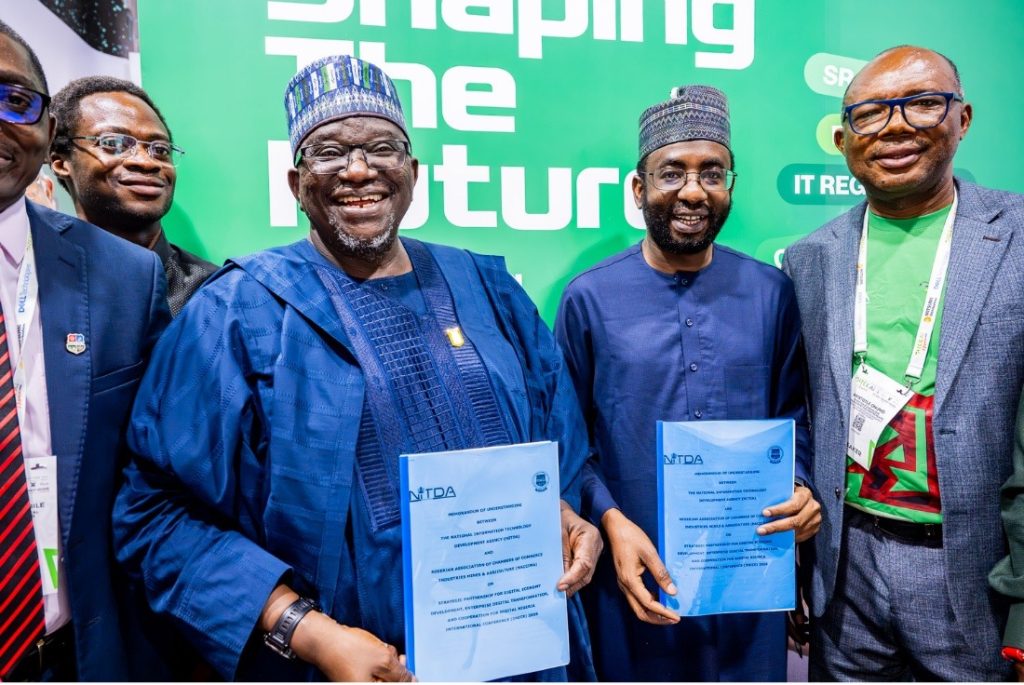
By Lukman Oladokun At the sideline of the GITEX Nigeria, the National Information Technology Development Agency (NITDA) and the Nigerian Association of Chambers of Commerce, Industry, Mines and Agriculture (NACCIMA) have entered into a strategic partnership aimed at accelerating Nigeria’s digital transformation agenda, fostering innovation, and empowering businesses across the country through technology-driven growth. The partnership was formalised through the signing of a Memorandum of Understanding (MoU) by the Director General of NITDA, Kashifu Inuwa and the Director General of NACCIMA, Engr. Olusola Obadimu marking a significant milestone in the nation’s journey towards building an inclusive and competitive digital economy. Speaking shortly after the signing ceremony, the Director General of NACCIMA described the agreement as a timely and strategic intervention for the private sector, emphasizing that digital transformation has become imperative for businesses seeking relevance and competitiveness in today’s global economy. “It is an excellent arrangement to have this type of protocol on digitisation and digital transformation, especially for the private sector,” he said. “NACCIMA is the umbrella body of the organised private sector in Nigeria, and digital transformation is a necessity. There is no better partner to work with than NITDA, and we are happy to sign this MoU and move the partnership forward.” The agreement provides a structured framework for collaboration in several key areas, including the development of a collaborative digital ecosystem platform, enterprise digital transformation for Micro, Small and Medium Enterprises (MSMEs), promotion of digital innovation and technology adoption, capacity building for Nigerian businesses, and strategic cooperation towards the successful development and institutionalisation of the Digital Nigeria International Conference (DNICE) 2026 and subsequent editions. The partnership also seeks to facilitate stronger linkages among government institutions, private sector organisations, technology companies, academia, investors, development partners, and other stakeholders, creating an enabling environment for innovation and economic growth.   Underscoring the urgency of implementation, the NACCIMA DG disclosed that both organisations are prepared to commence execution of the agreement immediately. “We are going to hit the ground running as soon as we return to our offices for the implementation of this agreement. Nigerians will begin to see things happen almost instantaneously,” he stated. According to the NACCIMA DG, the partnership holds immense prospects for Nigeria, particularly for the country’s growing youth population, who are increasingly driving innovation and digital entrepreneurship. “Digitalisation is the way to go. As you can see, we have a youthful population, and they are the ones driving this process. We should encourage them and give them all the necessary support to go beyond Nigeria and compete on the global stage,” he said. The collaboration aligns with NITDA’s broader mandate of driving Nigeria’s digital economy through technology innovation, digital literacy, and business transformation, while leveraging NACCIMA’s extensive network and influence across the organised private sector.