reportgov.ng

Author name: admin

NITDA News, Press Release

NITDA, NAHCON Deepen Partnership to Digitise Hajj Operations

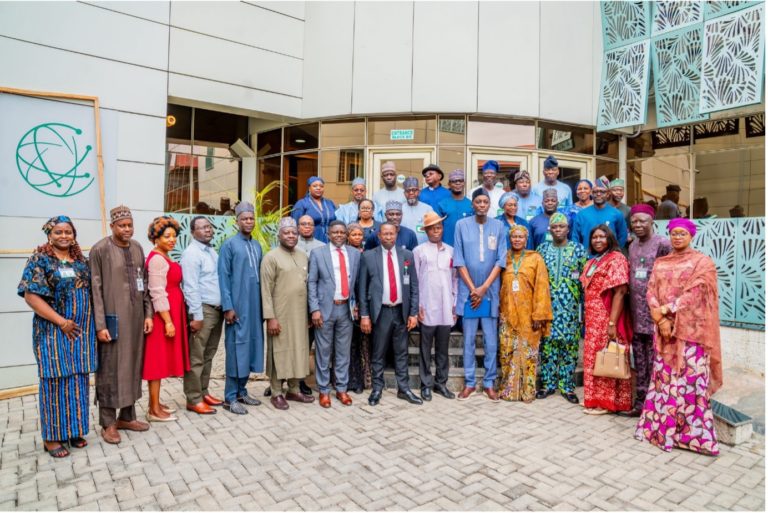
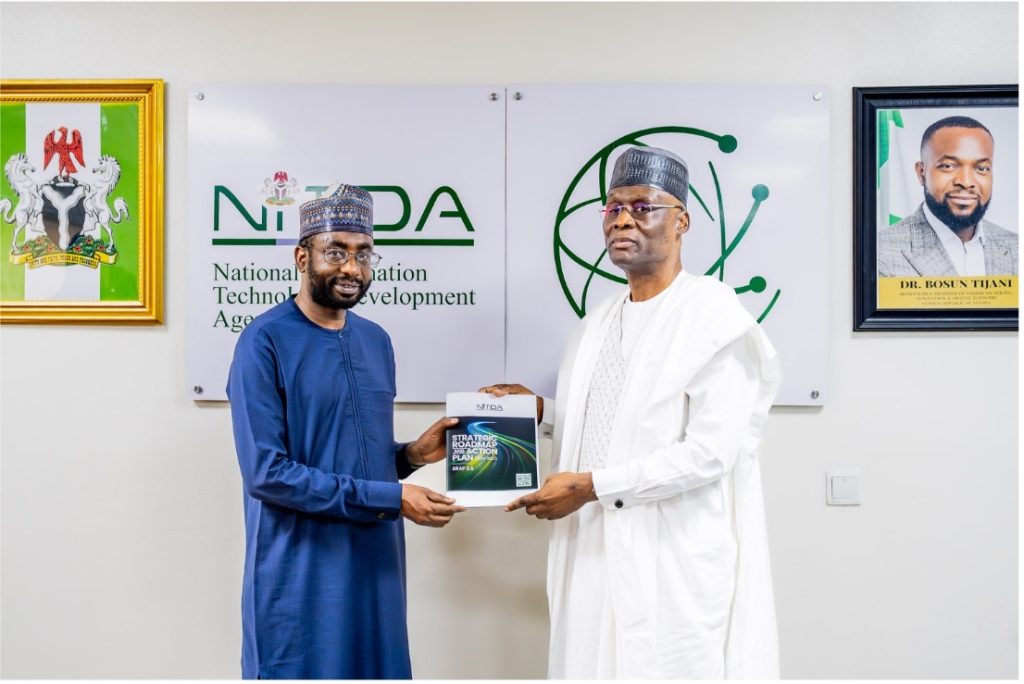
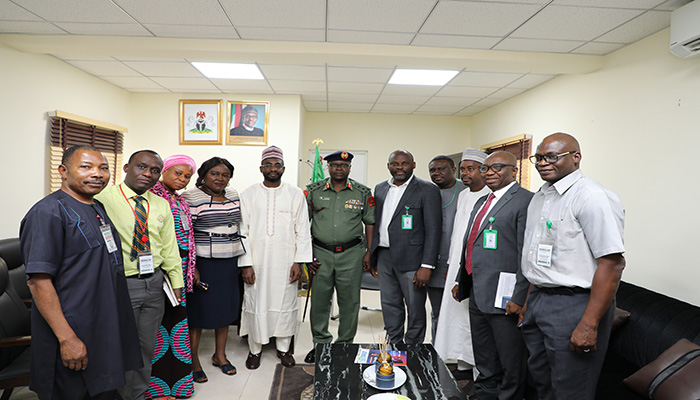
By Naeemah Junaid The National Information Technology Development Agency (NITDA) and the National Hajj Commission of Nigeria (NAHCON) have renewed their commitment to deploying digital technology to enhance Hajj administration, improve operational efficiency and strengthen service delivery to Nigerian pilgrims. The commitment was reached when the Chairman of NAHCON, Ambassador Ismail Abba Yusuf, led a delegation of the Commission on a strategic visit to NITDA headquarters in Abuja, where he met with the Director-General of the Agency, Kashifu Inuwa Abdullahi, CCIE. The engagement focused on strengthening technical cooperation between the two institutions and exploring practical ways of integrating technology across the various stages of Hajj operations. Speaking during the meeting, Inuwa said NITDA was ready to support NAHCON in building a more coordinated and sustainable digital framework for Hajj administration. He noted that the complexity of Hajj operations, which involves registration, payments, aviation, accommodation, transportation, feeding, healthcare and the movement of large numbers of pilgrims, required systems capable of working together seamlessly. The NITDA DG cautioned against treating digital transformation as a one-time technology project, stressing that sustainable transformation required continuous improvement and institutional commitment. “Digital transformation is not a one-off project. It is a journey and a journey that needs constant improvement,” he said. Inuwa explained that technology should be deployed as an enabler of institutional objectives and not as an end in itself. “Digital transformation is not just about technology. It is about your business value proposition. It is about the business, not technology. Technology enables you to deliver your business objectives,” he added. He urged NAHCON to address the challenge of siloed systems by developing an integrated digital architecture that would allow information to move efficiently across different aspects of Hajj administration. According to him, an integrated system would provide end-to-end visibility of operations, improve coordination and enable management to make timely, data-driven decisions. The NITDA DG also drew attention to the growing relevance of artificial intelligence and intelligent digital systems, noting that emerging technologies could provide new opportunities for improving institutional processes and service delivery. He recalled NITDA’s previous support to NAHCON in areas including training and process documentation, expressing the Agency’s readiness to build on the existing relationship through renewed technical collaboration. Inuwa further encouraged the Commission to explore Public-Private Partnership (PPP) models in implementing major digital projects, noting that such arrangements could attract private-sector expertise and investment while reducing the financial burden on government. He said NITDA would also continue to promote quality and value for money in government technology projects through proper system design, certified implementation and independent quality assurance. On capacity development, the DG assured NAHCON of the Agency’s readiness to support training for ICT personnel and digital orientation for state coordinators and other stakeholders involved in Hajj administration. He stressed that successful digital transformation must become embedded in the institution and should not depend on the tenure of individual officials. “It is not about the board. It is not about just the chairman. It is about the institution,” Inuwa said. Earlier, the NAHCON Chairman, Ambassador IsmailIsmail A. Yusuf, said the Commission’s visit was prompted by the need to accelerate the digitalisation of Hajj arrangements in Nigeria and align its operations with global best practices. Yusuf noted that Saudi Arabia had made significant advances in the digital management of Hajj, adding that Nigeria needed to strengthen its systems to improve coordination and service delivery. While acknowledging the progress already recorded by NAHCON, he said several processes remained manual and required further automation and integration. “We’re trying to digitise Hajj arrangements in line with global best practice,” the Chairman said. He explained that NAHCON was seeking NITDA’s technical expertise in areas such as system assessment, capacity building, process improvement, data management and the integration of existing digital platforms. The Chairman said closer cooperation with NITDA would help strengthen the Commission’s digital infrastructure and ensure better coordination of information between Nigerian and Saudi systems. “That is why our cooperation with NITDA is very, very important, that we work together. We are on the same page in everything we do. We compare notes and all that,” he said. Presenting an overview of NAHCON’s digital solutions, the Commission’s Head of ICT, Shehu Raji said several platforms had been developed in-house despite budgetary constraints. These include electronic registration, package and programme management, aviation management, automated flight manifests, seating distribution, real-time logistics, accommodation allocation, feeding management, electronic medical records, passport release management and the Hajj Companion application. He said the Hajj Companion application provides pilgrims with mapped information on accommodation and major Hajj locations in Makkah, Madinah, Mina and Arafat, helping them navigate the various sites during the pilgrimage. However, Raji noted that some of the systems were only partially deployed and required further development, integration and technical support. He said improved interoperability would eliminate unnecessary duplication of data entry, enhance data accuracy and facilitate better coordination of pilgrim information. Raji also emphasised the importance of data security and integrity, noting that reliable information was critical to effective accommodation, transportation, security and other Hajj arrangements. At the conclusion of the engagement, both institutions agreed to strengthen their partnership through technical collaboration, capacity building, system integration, process improvement and quality assurance. The two organisations also agreed on the proposed establishment of a technical working group to coordinate priority areas and ensure sustained engagement. The renewed partnership is expected to advance the development of a more integrated, secure and efficient digital Hajj ecosystem in Nigeria, while improving accountability, reducing manual processes and enhancing the overall experience of Nigerian pilgrims.
NITDA News, Press Release

NITDA Trains 200 Young Nigerians with Digital Skills at Summer Bootcamp

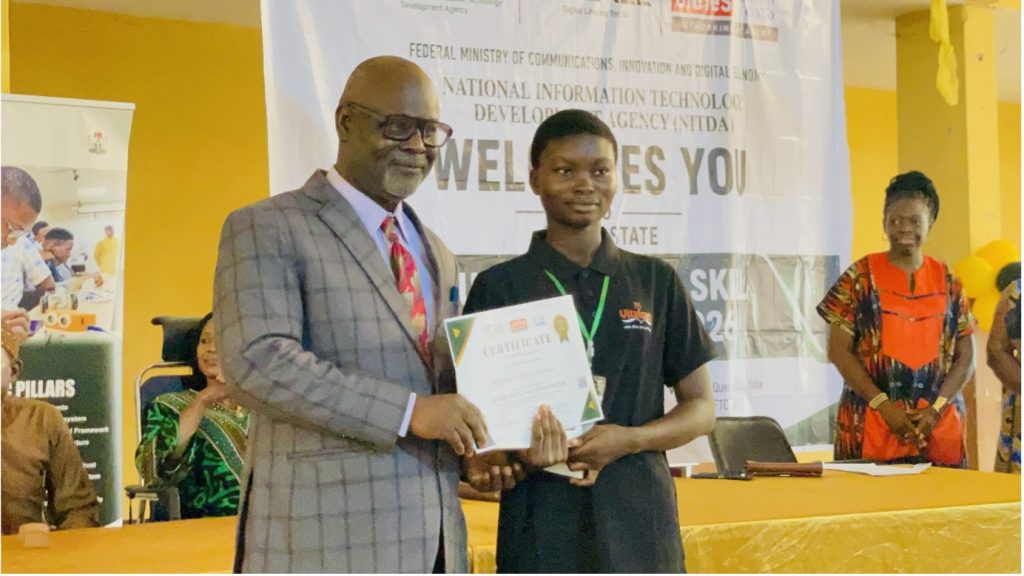
No fewer than 200 young Nigerians have been equipped with critical digital and innovation skills through the NITDA Summer Training Programme and Free Long Vacation Young School Kids Coding Bootcamp tagged IoT and Scratch Programming held at the Federal Technical College (FTC), Yaba, Lagos. The initiative, organised by the National Information Technology Development Agency (NITDA) in collaboration with Cisco and UNITeS Academy, provided participants with hands-on exposure to emerging technologies and digital competencies designed to prepare them for the future of work and innovation. During the intensive training programme, the students gained practical knowledge in coding, Artificial Intelligence (AI), Internet of Things (IoT), robotics, programming, game development, animation and digital creativity. Beyond technical skills, the bootcamp also strengthened their problem-solving, critical thinking, collaboration and computational thinking abilities, empowering them to become active creators of technology rather than passive consumers. Speaking at the closing ceremony, NITDA’s Director-General, represented by the Director of the South-West Zonal Office, described the programme as more than a holiday learning initiative, noting that it was a strategic investment in Nigeria’s digital future. He commended the participants for their enthusiasm, creativity and determination throughout the programme, urging them to sustain the momentum by continuing to learn, innovate and develop solutions to real-world challenges. “The end of this bootcamp marks the beginning of a much longer journey. The children before us today are potential software developers, Artificial Intelligence specialists, cybersecurity experts, robotics engineers and digital entrepreneurs who can shape Nigeria’s digital economy,” he said. The Director-General also called on parents, guardians, schools and other stakeholders to support continuous digital learning by encouraging responsible technology use, strengthening coding clubs and creating more opportunities for practical innovation. The Federal Technical College, Yaba, also lauded NITDA, Cisco and UNITeS Academy for investing in the next generation of innovators. Speaking on behalf of the Principal, Mrs A.O. Ajayi, the College’s representative described the programme as a timely intervention that aligns with the growing need to develop technologically skilled young people capable of thriving in a rapidly evolving digital world. According to the College, the initiative demonstrates the importance of exposing children to science, technology and innovation at an early age, enabling them to build confidence, creativity and practical skills that can contribute to national development. The institution encouraged the participants to remain curious, continue exploring new ideas and leverage technology to address societal challenges. It further emphasised that education should extend beyond the classroom to include innovation, creativity and the practical application of knowledge. FTC Yaba also expressed appreciation to parents and guardians for their support throughout the programme and reaffirmed its commitment to nurturing young Nigerians through quality technical, vocational, scientific and technological education. The success of the training programme underscores the growing impact of collaborative efforts between government, educational institutions and private-sector partners in building Nigeria’s digital talent pipeline. By equipping 200 young learners with future-ready skills and exposing them to emerging technologies, the initiative has laid a foundation for a new generation of digital creators, innovators and technology leaders. As the participants received their certificates at the close of the programme, the message from organisers and stakeholders was clear: the journey has just begun. The knowledge, skills and confidence gained during the bootcamp have the potential to shape careers, inspire innovation and contribute meaningfully to Nigeria’s digital transformation agenda. Some of the participants described the bootcamp as a life-changing experience that expanded their understanding of technology and inspired them to pursue careers in the digital sector. The senior category’s winner, Ayodele Easther PipeOluwa said, “Before attending the bootcamp, I only used computers for basic tasks. Now, I understand coding and how technology can be used to solve problems. I want to become a software developer in the future.” Another student, Jonathan Chukwumah expressed excitement about learning robotics and Artificial Intelligence, noting that the programme had increased her confidence and encouraged her to explore innovative ideas. Parents also praised the initiative for exposing their children to practical digital skills during the holiday period. According to one of the parents, Mrs. Omole A. Oluwunmi she disclosed that the bootcamp helped their children develop creativity, discipline and a stronger interest in technology. For many of the participants, the training was more than just a holiday activity. It served as a gateway to new opportunities, inspiring them to dream bigger and positioning them to become future innovators capable of contributing to Nigeria’s growing digital economy.

NITDA News, Press Release

NITDA CHARGES YOUTHS TO BUILD HOME GROWN AI SOLUTIONS

By James Ishaku The National Information Technology Development Agency (NITDA) has challenged young Nigerians to take the lead in developing home-grown artificial intelligence solutions capable of addressing the country’s unique socio-economic challenges. Delivering the Keynote address at an Artificial Intelligence Hackathon organised by NITDA in partnership with VibeCode Africa in Abuja, the Director General of NITDA, Kashifu Inuwa, represented by the Acting Director of Digital Literacy and Capacity Building, Dr. Ahmed Tambuwal, who spoke through Mrs. Udoka Mannie, said Nigeria’s youthful population presents a major opportunity for innovation and digital transformation. He said the gathering provided a strategic platform for participants from diverse backgrounds to collaborate and create practical AI-driven solutions tailored to Nigeria’s realities. According to Inuwa, with more than 60 percent of Nigerians under the age of 25, the country possesses one of the youngest populations globally, positioning it to benefit significantly from emerging technologies. “As you can see, this room is filled with young people, this represents a powerful opportunity for innovation and digital skills development,” he said. He noted that artificial intelligence is already reshaping economies, governance systems and societies worldwide, stressing that the key question for Nigeria is whether it would actively shape AI for national development or remain a passive consumer of foreign innovations. Inuwa said NITDA’s mandate remains the development and regulation of information technology in Nigeria while ensuring that technology serves as a catalyst for growth rather than mere consumption. He explained that the agency’s Digital Literacy and Capacity Building Department is focused on building a digitally skilled population capable of participating meaningfully in the global digital economy. The NITDA boss highlighted the agency’s Digital Literacy for All initiative (DL4ALL) as one of its flagship programmes aimed at equipping millions of Nigerians with critical digital skills, adding that it aligns with the Federal Government’s target of achieving 95 percent digital literacy by 2030. “Beyond literacy, we are now moving into capability. It is one thing to use technology, but another thing entirely to build with it. Today, we are challenging you to build,” he said. He urged participants to focus on impact driven innovation rather than prizes or applause, noting that Nigeria has no shortage of pressing challenges requiring technological intervention. Inuwa identified healthcare access in rural communities, inefficiencies in public service delivery, agriculture, education, financial inclusion and misinformation as sectors where AI can deliver transformative solutions. The DG also stressed the importance of inclusion, ethics and data protection in the development of AI systems. “As we explore AI, we must be mindful of ethics, data protection and inclusion. Building responsibly is just as important as building brilliantly,” he said. He commended Vibe Code Africa for partnering with NITDA to host the hackathon, describing such collaborations as critical to driving innovation at scale. Encouraging participants to work together, experiment and learn quickly, he said the future of artificial intelligence in Nigeria would not be imported but created by local innovators. “The future of AI in Nigeria will not be imported. It will be built by people like you in rooms like this,” he added. In her earlier opening address, the founder of VibeCode Africa, Lola Adey, has urged young Nigerians to harness artificial intelligence to solve pressing national challenges, declaring that Africa must become a centre of innovation rather than a talent reservoir for foreign economies. Adey said this year’s edition of the hackathon would depart from previous formats where participants were assigned sectors such as agriculture or healthcare. Instead, teams were asked to identify challenges they personally experience in their communities and develop solutions around them. “We’re not going to give you any industry. We want you to dig deep into yourselves. What are the problems you are facing? What are the problems your brothers and sisters are facing? What are the issues you notice when you walk around?” she said. She cited persistent electricity shortages, insecurity and social service gaps as examples of problems that innovative youths could begin to tackle through technology. According to her, the goal of the programme is not merely to gather young people for discussions but to create pathways that transform lives through entrepreneurship, employment and global opportunities. “With artificial intelligence, you now have something in your hand that you can use to actually solve problems. You don’t have to wait for anybody anymore,” she said. She encouraged participants to remain focused, humble and collaborative, noting that the event could connect them to future co-founders, investors or employers.

NITDA News, Press Release

NITDA Strengthens Collaboration with NIPSS to Drive Digital Innovation, Orange Economy Growth

By Oluwole Alao The National Information Technology Development Agency (NITDA) has reinforced its commitment to advancing Nigeria’s digital transformation agenda through strengthened collaboration with key strategic institutions, as it hosted the Director General of the National Institute for Policy and Strategic Studies (NIPSS), Professor Ayo Omotayo, alongside participants of the Senior Executive Course (SEC) 48, 2026. The visit, which builds on an earlier strategic study tour, provided a platform for in-depth engagement on the role of digital innovation in driving sustainable economic growth, with particular focus on the Orange Economy. Representing the Director General of NITDA, Kashifu Inuwa CCIE, the Director of Stakeholder Management and Partnerships, Dr Aristotle Onumo, highlighted the Agency’s commitment to fostering a vibrant digital ecosystem through inclusive policies, strategic partnerships, and capacity development initiatives. “NITDA is committed to creating an enabling environment where innovation can thrive by bringing together government, private sector, academia, and creatives to drive Nigeria’s digital economy,” he stated. Inuwa underscored the growing importance of the Orange Economy, describing it as a critical driver of innovation and economic value through intellectual property. He identified sectors such as digital content creation, film, animation, and digital art as key contributors to national development. “The Orange Economy represents a powerful opportunity to transform our rich cultural heritage and creativity into sustainable economic growth,” he noted. He further highlighted Nigeria’s unique advantage, particularly its youthful and creative population, while calling for stronger collaboration among stakeholders to fully harness the sector’s potential. “With our youthful population and rich cultural assets, Nigeria is well-positioned to become a global leader in the Orange Economy if we deepen collaboration and investment across the ecosystem,” he added. During the engagement, NITDA also presented its strategic initiatives aimed at supporting the digital and creative sectors, including digital infrastructure development, promotion of digital literacy, and implementation of policies that enable startups and innovators to scale. Addressing challenges facing the sector, Inuwa pointed to issues such as limited access to funding, infrastructure gaps, weak intellectual property protection, and ecosystem fragmentation, while emphasising the need for coordinated action. “Addressing challenges such as funding gaps, infrastructure deficits, and intellectual property protection is critical to unlocking the full potential of Nigeria’s creative economy,” he said. The Agency reiterated its target of achieving 70 per cent digital literacy by 2027, noting that ongoing programmes are equipping millions of Nigerians with essential digital skills, including those in underserved and informal sectors. In his remark, Professor Omotayo described the visit as an important opportunity to deepen understanding of how digital technologies are reshaping economic sectors, particularly the creative industry. He noted that the insights gathered would contribute significantly to policy recommendations aimed at strengthening Nigeria’s economic framework. Participants of the SEC 48 programme engaged actively during the session, raising questions on capacity development, access to tools, and frameworks for protecting digital content. NITDA highlighted its ongoing collaborations with industry stakeholders to provide training, innovation hubs, and access to digital tools for young Nigerians. The engagement concluded with a renewed commitment from both NITDA and NIPSS to strengthen collaboration in research, policy development, and capacity building, aimed at positioning Nigeria as a globally competitive force in the digital and creative economy.  

NITDA News, Press Release

FROM BUREAUCRACY TO DIGITAL EXCELLENCE: NITDA DG CHARGES CROSS RIVER CIVIL SERVANTS ON DIGITAL TRANSFORMATION

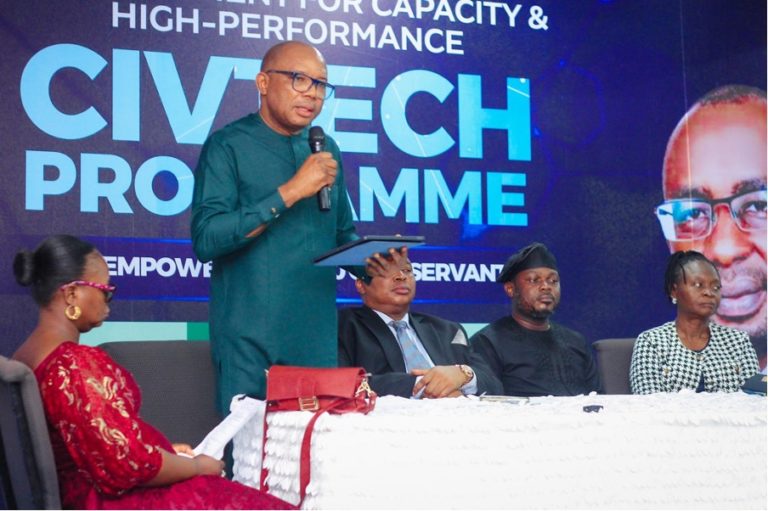
 By Oluwole Alao The Director General of the National Information Technology Development Agency (NITDA), Kashifu Inuwa CCIE, has called for a bold transformation of Nigeria’s public service from traditional bureaucracy to digital excellence, as he participated in the official flag-off of the Civil Service Technology Empowerment for Capacity and High Performance (CIVTECH) Programme in Cross River State. The programme, hosted by the Cross River State Government and organised by the Cross River State Microfinance and Enterprise Development Agency (CRS MEDA), is designed to equip 2,000 civil servants with critical digital skills required to drive efficient and technology-enabled service delivery. In his keynote address titled “From Bureaucracy to Digital Excellence: Leveraging Technology for a High-Performing Public Service,” the NITDA DG who was represented by the Director of the Stakeholders Management and Partnership department, Dr Aristotle Onumo, emphasised that the future of governance depends on the ability of public institutions to embrace digital transformation. “For decades, the public service has been the engine room of national development but in an era defined by speed, data, and innovation, traditional bureaucratic processes are no longer sufficient to meet the expectations of citizens and businesses,” he stated. He noted that citizens today expect government services to reflect the efficiency and convenience they experience in digital banking, e-commerce, and mobile platforms. Highlighting the economic imperative of digitalisation, the DG pointed out that Nigeria’s ICT sector contributed nearly 20 percent to the nation’s real GDP in 2024, underscoring the growing role of technology as a driver of economic growth and competitiveness. While noting that digital transformation is no longer just a technology agenda, he said, “It is an economic agenda, it is a governance agenda, and it is a national competitiveness agenda.” According to him, the cost of maintaining outdated bureaucratic systems includes delayed decision-making, inefficiencies, limited transparency, and declining public trust. However, he emphasised that digital excellence provides a pathway to faster service delivery, improved accountability, increased productivity, and enhanced citizen satisfaction. “This is the shift from paperwork to performance, from process-driven governance to outcome-driven governance,” he added. Inuwa further emphasised that while infrastructure and systems are important, people remain central to institutional transformation. “Technology alone does not transform institutions. People do, and digital excellence requires public servants who are digitally skilled, innovation-driven, solution-oriented, performance-focused, and citizen-centric,” he asserted. Assuring participants that technology is not designed to replace public servants but to empower them, he said, “Technology frees you from repetitive administrative tasks so you can focus on strategic thinking, policy innovation, and national development.” Outlining NITDA’s strategic priorities, he referenced ongoing efforts to promote digital literacy and skills development, strengthen digital public infrastructure, automate government processes, enhance cybersecurity and data protection, and encourage the adoption of emerging technologies such as Artificial Intelligence across public institutions. He commended Cross River State for embracing reform and positioning itself at the forefront of sub-national digital transformation, noting that initiatives like CIVTECH align with the Federal Government’s broader vision of building an efficient, transparent, and citizen-centric public service. “The future of governance is digital. Together, we can transform governance. Together, we can transform Nigeria. And together, we can build a public service worthy of the digital age,” he concluded. Declaring the flag-ff open, the state’s Head of Service, Mr Orok Okon, reaffirmed the government’s unwavering commitment to strengthening the capacity of its workforce. He emphasised that, in an era defined by rapid technological advancement, public institutions must equip their personnel with the skills and competencies necessary to deliver efficient, technology-enabled services. According to him, investing in human capital is essential not only for improving internal administrative processes but also for ensuring that citizens receive timely, transparent and high-quality service across all sectors. Earlier in his welcome address, the Director General of CRS MEDA, Mr Great Ogban, expressed appreciation to the Governor and the Head of Service of the state for their consistent commitment to technology-driven workforce development. He encouraged all shortlisted trainees to show full dedication, emphasising that their participation aligns with the state’s goal of transitioning toward a fully paperless civil service. He expressed strong optimism about the state’s growing partnership with NITDA, noting that such collaboration will play a pivotal role in accelerating the digital transformation of Cross River State. According to him, the joint efforts between the state government and NITDA will not only enhance the quality of digital training provided to civil servants, but also to help fast-track the transition toward a more efficient and technology-driven civil service.  

NITDA News, Press Release

NITDA, ABIA, PARTNER ON ENTERPRISE ARCHITECTURE REFORM

By Oluwole Alao   In alignment with President Bola Ahmed Tinubu’s priority areas of economic reform, digital innovation, and improved governance, the National Information Technology Development Agency (NITDA) has reiterated its commitment to supporting sub-national governments in building integrated, data-driven systems that enhance service delivery and drive sustainable growth. This commitment was reinforced at the Future Enterprise & Data Architecture of Abia State workshop themed “One Citizen, One Identity: Unlocking Data-Driven Governance.” The high-level engagement brought together policymakers, technocrats, and development partners to chart a pathway toward a unified digital public sector anchored on interoperability and citizen-centric governance. The workshop, organised by the state’s Ministry of Budget and Planning and declared open by Governor Alex Otti, who was represented by the Deputy Governor, Engr Ikechukwu Emetu, focused on strengthening interoperability among Ministries, Departments, and Agencies (MDAs) to enhance revenue generation and improve service delivery across the state. Speaking during a panel session titled “Breaking Silos, Building One Government,” the Director General of NITDA, Kashifu Inuwa CCIE, who was represented by the Agency’s Director of Stakeholder Management and Partnership, Dr Aristotle Onumo, emphasised that collaboration remains the cornerstone of successful digital transformation. “One thing that is very clear is partnership and collaboration. If you want to take advantage of collective intelligence, then partnership is the key. If you want to succeed in building a unified government system, collaboration is the way to go,” he stated. He stressed that digital transformation is not merely about deploying technology but about transforming people and culture. According to him, resistance to change and entrenched institutional silos can undermine even the most sophisticated technological frameworks if mindset shifts are not prioritised. “Digital transformation is as much about people as it is about process and technology. If culture resists change, it can undermine strategy at every level. We must move from control to collaboration, and from isolation to integration,” he added. Highlighting NITDA’s strategic direction, the DG noted that the Agency’s action plan prioritises digital literacy as a foundational pillar for national development. He disclosed that NITDA is targeting 70 per cent digital literacy nationwide through structured interventions, including training 30 million Nigerians across formal and informal sectors using digital learning platforms deployed through community and institutional partnerships. He further revealed that digital education is being integrated into school curricula at primary, secondary, and tertiary levels, while civil servants across the federal public service are undergoing digital capacity development programmes to enhance institutional efficiency and readiness for interoperable governance systems. On interoperability, Inuwa described it as “not optional but a necessity” for achieving data integrity, efficiency, and innovation in governance. He explained that NITDA is developing a national interoperability framework and advancing Enterprise Architecture (EA) initiatives across government institutions to ensure seamless data exchange. “When we talk about interoperability, we mean that data generated in one agency should be accessible and usable by another in a consistent and secure format, without contradiction or confusion. That is how you build one government, not multiple disconnected systems,” he explained. He added that a robust interoperability framework would not only improve internal government efficiency but also create a platform for innovation, enabling startups and young innovators to build solutions on structured public datasets. While commending the state’s leadership for its vision and commission, he said, “If we achieve even 80 per cent of what has been presented here, Abia will not only lead among states, but it will also become a national reference point for digital innovation.” The workshop concluded with a renewed call for stronger federal–state collaboration, policy alignment, and sustained investment in digital capacity to ensure that the vision of “One Citizen, One Identity” translates into tangible socio-economic impact.  

NITDA News, Press Release

NITDA Equips Federal Character Commission with Data Tools to Drive Public Sector Reform

By Oluwole Alao In a strategic move to modernise Nigeria’s public service, the National Information Technology Development Agency (NITDA) has concluded a specialised digital capacity-building programme for the Federal Character Commission (FCC). The initiative, which included the donation of 35 laptops, aims to transition the Commission from manual processes to a data-driven oversight model, ensuring more transparent and equitable representation across all government MDAs. In alignment with President Bola Ahmed Tinubu’s key priority area of reforming the economy for sustained and inclusive growth, as well as improving governance for effective service delivery, it forms part of NITDA’s Digital Literacy for All (DL4All) programme aimed at strengthening digital capacity across public sector institutions and building a workforce equipped to drive Nigeria’s digital transformation agenda. The training, held at the Commission’s headquarters, focused on enhancing participants’ competencies in critical areas such as data analysis and data management, skills considered essential to improving institutional performance and service delivery. Representing the Director General of NITDA, Kashifu Inuwa CCIE, the Acting Director of Digital Literacy and Capacity Building, Dr Ahmed Yusuf Tambour, explained the purpose of the intervention. “We are here at the Federal Character Commission to carry out a training for staff of the Commission in the area of digital literacy to enhance their proficiency,” he stated. He noted that the training was deliberately tailored to align with the Commission’s statutory responsibilities. “We are particularly focusing on data analysis and data management, because this really aligns with the core mandate of the Commission,” he said. The Federal Character Commission, which is responsible for monitoring and ensuring equitable representation in public service across Ministries, Departments and Agencies (MDAs), relies heavily on accurate and well-managed data to carry out its oversight functions. By strengthening staff capacity in data handling and digital tools, NITDA aims to enhance the Commission’s ability to manage nationwide datasets efficiently and transparently. Describing the programme as impactful and well-received by participants, Inuwa said, “So it’s been a great journey. We’ve trained 35 participants here, and the training has been very well received.” As part of the intervention, NITDA donated 35 laptops to the Commission to facilitate continuous learning and enable staff to seamlessly integrate digital tools into their daily operations. The gesture is expected to reinforce the sustainability of the training outcomes and improve workflow efficiency within the Commission. Expressing optimism about the long-term benefits of the initiative, Inuwa added, “We are hoping that this will help the Commission to manage the very, very important data that they collect across all MDAs.” The intervention reflects NITDA’s sustained commitment to deepening digital inclusion within government institutions under the Renewed Hope Agenda. By equipping public servants with practical digital skills and the necessary tools, the Agency is advancing institutional efficiency, strengthening data-driven decision-making, and supporting the Federal Government’s vision of a modern public service capable of driving inclusive national development and economic reform.

NITDA News, Press Release

NITDA, BORNO DEEPEN PARTNERSHIP TO ACCELERATE DIGITAL ECONOMY, INNOVATION GROWTH

By James Ishaku The National Information Technology Development Agency (NITDA), in collaboration with the Borno State Information and Communication Technology Development Agency (BICTDA), has reaffirmed its commitment to accelerating digital transformation and strengthening Nigeria’s innovation ecosystem as part of efforts to drive sustainable economic growth. The statement was made at the NITDA- Borno State IT Stakeholders’ Engagement and ICT Ecosystem Development Program held in Maiduguri, themed “Creating Opportunities, Breaking Boundaries: Towards Digitalization and Entrepreneurial Evolution.” Speaking at the event, the Director-General of NITDA, Kashifu Inuwa, represented by the Director of Zonal Office Coordination, Mr. Ajayi Babajide, described Nigeria’s current economic phase as a critical turning point where digital transformation has become central to diversification, job creation, and long-term resilience. He noted that the digital economy now serves as a major driver of national competitiveness, stressing the need for stronger collaboration between federal and state institutions to ensure inclusive digital development. Inuwa explained that NITDA’s Strategic Roadmap and Action Plan (SRAP 2.0), alongside the National Digital Literacy Framework (NDLF), continues to guide efforts to equip citizens—particularly those in underserved communities—with essential digital skills. He added that the agency has expanded ICT centres nationwide and continues to support innovation and entrepreneurship through capacity-building initiatives. According to him, sustaining these interventions requires deeper state-level engagement and effective domestication of national policies. He identified key areas of collaboration with Borno State to include expanding community digital literacy, strengthening startup ecosystems through funding and mentorship, and building stronger partnerships between government, academia, and the private sector. He also referenced the roles of the Office for Nigerian Digital Innovation (ONDI) and the National Centre for Artificial Intelligence and Robotics (NCAIR) in supporting startups through incubation, training, and acceleration programmes, noting that Nigeria’s innovation ecosystem is increasingly producing globally competitive enterprises. For Borno State, he said, digitalisation presents opportunities to diversify the economy, create employment for youths and women, enhance governance, and bridge the urban-rural digital divide. Delivering the keynote address, Governor Babagana Umara Zulum, represented by the Permanent Secretary, Administration, Parastatals and General Services, Barrister Garba Musa Chibok, said digital transformation is now a necessity for rebuilding institutions and ensuring sustainable development. He noted that Borno State is not only recovering from past challenges but actively redesigning its governance systems through technology and innovation. According to him, meaningful progress in the digital space depends on strong collaboration among government, private sector players, civil society, and development partners. Governor Zulum highlighted achievements in digital inclusion, including expanded access to education, healthcare, and public services through technology-driven initiatives. He also pointed to ongoing training programmes aimed at improving digital literacy and economic participation among citizens. However, he raised concerns over access gaps, infrastructure deficits, and cybersecurity risks, calling for sustained investment to bridge connectivity challenges across rural and urban communities. Also speaking, the Executive Secretary of BICTDA, Engr. Mohammed Kabir Wanor, reaffirmed the state’s commitment to mainstreaming digital transformation across governance and economic planning. He described the engagement as a strategic platform for translating digital policy into measurable development outcomes, stressing that ICT must be fully integrated into service delivery systems to achieve meaningful impact. Engr. Wanor commended NITDA for their support in expanding digital literacy and innovation initiatives, noting that thousands of young people, women, and public servants have benefited from skills development programmes designed to enhance productivity and employability. He further highlighted ongoing investments in ICT infrastructure, e-learning platforms, and innovation hubs, describing them as critical to building a sustainable digital ecosystem. On cybersecurity, he stressed the importance of aligning digital expansion with strong protective frameworks to safeguard data and public trust, while calling for stronger collaboration to deepen digital inclusion nationwide. The programme ended with renewed commitments from stakeholders to strengthen partnerships and accelerate the growth of a resilient, innovation-driven digital economy in Borno State and Nigeria at large. Other dignitaries who also addressed the event included the Permanent Secretary, Ministry of Information and Internal Security, Aminu Chamaruwa; the Permanent Secretary, Administration and Head of Service, Hajiya Iyabawa; and the Chairman of the BICTDA Board, Dr. Idris Yelwa, among others, who all contributed to discussions on strengthening the state’s digital ecosystem and advancing ICT-driven development.

NITDA News, Press Release

FG PUSHES E-GOVERNANCE, DIGITAL ECONOMY BILL TO DEEPEN AI, CLOUD ADOPTION

By James Ishaku Nigeria’s drive toward a fully digital economy is gathering pace as the Federal Government intensifies work on e-governance and digital economy bill to strengthen the regulatory framework for emerging technologies and boost public sector innovation. At the Global Partnership for Human-Centric ICT Standardisation (GIST) Nigeria Introductory Stakeholder Workshop in Abuja, the Director-General of the National Information Technology Development Agency (NITDA), Kashifu Inuwa representing the Minister of Communications, Innovation and Digital Economy, Bosun Tijani said the country has moved beyond strategy design to implementation of its national Artificial Intelligence (AI) roadmap. He noted that the current phase focuses on developing clear guidelines and regulatory frameworks to ensure AI deployment aligns with ethical standards, accountability, and strong safeguards. As part of the broader digital transformation agenda, the government is also advancing data classification efforts to ensure the availability of clean, reliable datasets for AI training. In parallel, it is promoting cloud adoption across public institutions to enhance efficiency, scalability, and service delivery. Inuwa stressed the importance of a “cloud-first” policy, warning that continued dependence on premise systems could slow large scale digital transformation. However, he added that cloud integration would be approached cautiously to safeguard Nigeria’s digital sovereignty and protect critical national data. Progress is also being recorded in the e-governance space, with the development of an interoperability framework and the Nigerian Government Enterprise Architecture. Additionally, work is ongoing on a data exchange platform to support Government Statistics Digital Public Infrastructure (DPI), aimed at improving data sharing and coordination among Ministries, Departments, and Agencies (MDAs). The initiative is expected to harmonise public sector digital projects while creating opportunities for private sector participation. Inuwa stressed the need for stronger collaboration among government, industry, and other stakeholders to build resilient digital infrastructure. He expressed confidence that the proposed legislation and related initiatives would enhance Nigeria’s standing in digital governance while promoting innovation, transparency, and inclusive growth. Earlier, the European Commission’s Team Leader for Digital Governance, Peter Marien DG INTPA, highlighted the role of international cooperation in shaping global digital standards. He said the European Union’s digital strategy prioritises partnerships and ecosystem alignment across regions, including Nigeria and the United Kingdom. Marien referenced a recent engagement in Brussels on e-governance, organised with Smart Africa, which included participation from NITDA. He described Nigeria’s involvement in the GIST initiative as a strong signal of its commitment to global digital governance. He emphasised the EU’s focus on a human-centric digital ecosystem that prioritises inclusivity, privacy, and security, noting that its 27 member states have, over two decades, built a cohesive digital framework centred on citizens. Marien also identified Nigeria as a strategic player in Africa’s quest for a unified digital market, highlighting its role in advancing cross-border digital integration. According to him, standards serve as the “invisible backbone” of modern societies, supporting critical systems across sectors. He said the GIST platform enables alignment of technical standards and fosters knowledge exchange between regions.

NITDA News, Press Release

NITDA DG Urges Innovation Hubs to Drive Nigeria’s $1 Trillion Economy at iHatch Residency Closing

By Oluwole Alao The Director General of the National Information Technology Development Agency (NITDA), Kashifu Inuwa CCIE, has called on innovation hubs across the country to play a decisive role in Nigeria’s push toward a $1 trillion economy, describing them as critical intermediaries in the nation’s innovation ecosystem. The charge was delivered during a keynote address at the closing ceremony of the iHatch Cohort 5 Hub Upskilling Programme Physical Residency Week, held at the Chida Hotel in Abuja. Following a rigorous and transparent selection process involving both internal and external stakeholders, including the Japan International Cooperation Agency (JICA), a total of 37 innovation hubs representing all 36 states and the FCT were admitted into Cohort 5. Participants have since commenced onboarding and a virtual learning phase, equipping Hub Managers with foundational tools and knowledge ahead of deeper engagement. As part of the programme design, the Office for Nigerian Digital Innovation convened the selected Hub Managers for a five-day Physical Residency Week, held from April 20 to April 24, 2026, aimed to promote peer-to-peer learning, strengthen alignment across hubs, enable collaborative design and knowledge exchange, and provide high-level insights into innovation ecosystem development The sessions focused on startup support systems, institutional sustainability, and the role of hubs in driving national development through innovation. In his keynote titled “The $1 Trillion Economy Imperative: The Strategic Mandate of Innovation Intermediaries,” the DG, who was represented by the Agency’s Acting Director of the IT Department, Dr Amina Mogaji Sambo, emphasised that Nigeria’s economic ambition must be driven by innovation, productivity, and digital transformation. He highlighted Nigeria’s demographic advantage, over 220 million people with a youthful population, and stressed the need to convert this into economic value through structured innovation systems. “Countries that succeed today are not simply those with resources, but those with systems that convert ideas into value,” he said. The DG reiterated the critical role of innovation hubs, also known as Enterprise Support Organisations (ESOs), in bridging government policy, private capital, and entrepreneurial talent. “You are not real estate managers or event organisers. You are the connective tissue of a national innovation system,” he told participants. Drawing on global examples such as Silicon Valley and other leading ecosystems, he noted that strong intermediaries are essential for translating ideas into scalable ventures. Reflecting on the growth of the iHatch programme, the DG noted its evolution from a pilot initiative in Abuja to a national platform with 74 innovation hubs nationwide, over 13,000 startup applications across cohorts, and a structured pipeline supporting startups from ideation to market readiness He added that startups supported under the programme have already created over 500 direct jobs and generated more than 1,500 indirect jobs, with secured international opportunities and partnerships The DG emphasised that sustainable ecosystems require strong mentorship structures and market access pathways in addition to strong institutional capacities. “If we strengthen the hubs, we strengthen everything downstream,” he said. Describing innovation hubs as an underutilised national asset, the DG urged participants to view their roles as critical to Nigeria’s future. He challenged Hub Managers across all regions to approach their work with seriousness and purpose, noting that their efforts would shape startup success rates, innovation scalability and regional participation in the digital economy. “You are nation builders. The work you do will determine how quickly Nigeria achieves its $1 trillion ambition,” the DG concluded.