reportgov.ng

November 13, 2026

Latest New, NITDA News, Press Release

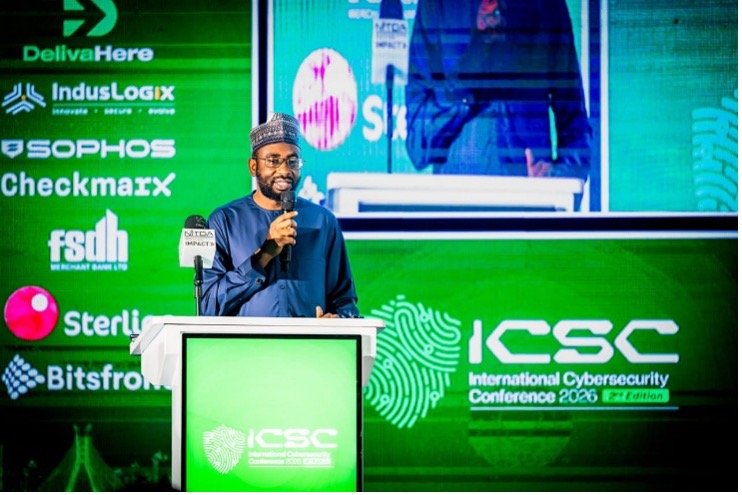
AI-Driven Cyber Threats Demand Global Action, Experts Warn at ICSC 2026.

By Mansour Aliyu Hassan. Cybersecurity experts, lawmakers and international partners have called for stronger global cooperation to combat emerging cyber threats driven by artificial intelligence (AI), warning that the rapidly changing digital landscape requires countries to rethink how they protect citizens, institutions and economies. The call was made on Tuesday at the opening ceremony of the International Cybersecurity Conference in Abuja, where stakeholders highlighted the growing sophistication of cyberattacks and the need to strengthen human awareness, institutional resilience and international collaboration. The Director-General of the National Information Technology Development Agency (NITDA), Kashifu Inuwa CCIE, said the increasing use of AI by cybercriminals had created a new dimension to cybersecurity, requiring organisations to deploy advanced technologies to anticipate, detect and counter attacks. He explained that cybersecurity and cyber resilience were complementary but distinct, noting that while cybersecurity focused on preventing attacks, resilience involved the capacity to recover after an attack had occurred. Inu said the growing sophistication of AI had made it necessary to expand cybersecurity strategies beyond the protection of computer systems and digital infrastructure to include the human mind. According to him, cybercriminals increasingly exploit human weaknesses because manipulating people can be easier than breaching sophisticated technological systems. He said the conference would therefore examine how individuals and institutions could strengthen their defences against both technological attacks and attempts to manipulate human behaviour. In his remarks, the Chairman of the Senate Committee on ICT and Cybersecurity, Senator Shuaib Afolabi Salisu described the conference as an opportunity to advance technology diplomacy and strengthen Nigeria’s international partnerships in the digital sector. He said the participation of legislators from other countries demonstrated growing international interest in Nigeria’s technology initiatives and reinforced the country’s potential as a destination for business and collaboration. The Director-General’s position was reinforced by the Chairman of the House of Representatives Committee on ICT and Cybersecurity, Hon. Adedeji Stanley Olajide who described cybersecurity as a moving target that demanded continuous learning and adaptation. He warned that strategies effective today might no longer be sufficient tomorrow, given the speed at which artificial intelligence was changing the methods and capabilities available to cybercriminals. He called for stronger collaboration among cybersecurity practitioners, policymakers, diplomats, judges and heads of government agencies, stressing that cyber threats transcended national and continental boundaries. The lawmaker said countries across the Americas, Europe, Asia, Africa and Latin America needed to recognise cybersecurity as a common challenge requiring coordinated international action. Similarly, the Chair of the Council of Europe’s Cybercrime Convention Committee, Pedro Verdelho stressed the need to bridge the gap between the rapid adoption of digital technologies and public understanding of their associated risks. He observed that artificial intelligence and other digital tools had become integral to everyday activities, including travel planning, online searches and commercial transactions, but awareness of the dangers accompanying their use remained inadequate. He called for greater cybersecurity awareness among government institutions, private-sector organisations and ordinary citizens. The European official also highlighted the importance of the Budapest Convention, an international treaty designed to facilitate cooperation against cybercrime and improve access to electronic evidence, welcoming the participation of countries in the region in the framework. Meanwhile, the Swedish Ambassador to Nigeria, Anna Westerholm said cybersecurity was essential to building public confidence in digital transformation, warning that increased connectivity also created greater exposure to cyber risks. The ambassador said Nigeria’s digital transformation offered significant opportunities for innovation, economic growth and inclusion, with Sweden and Swedish companies supporting the country’s journey.  
Latest New, NITDA News, Press Release

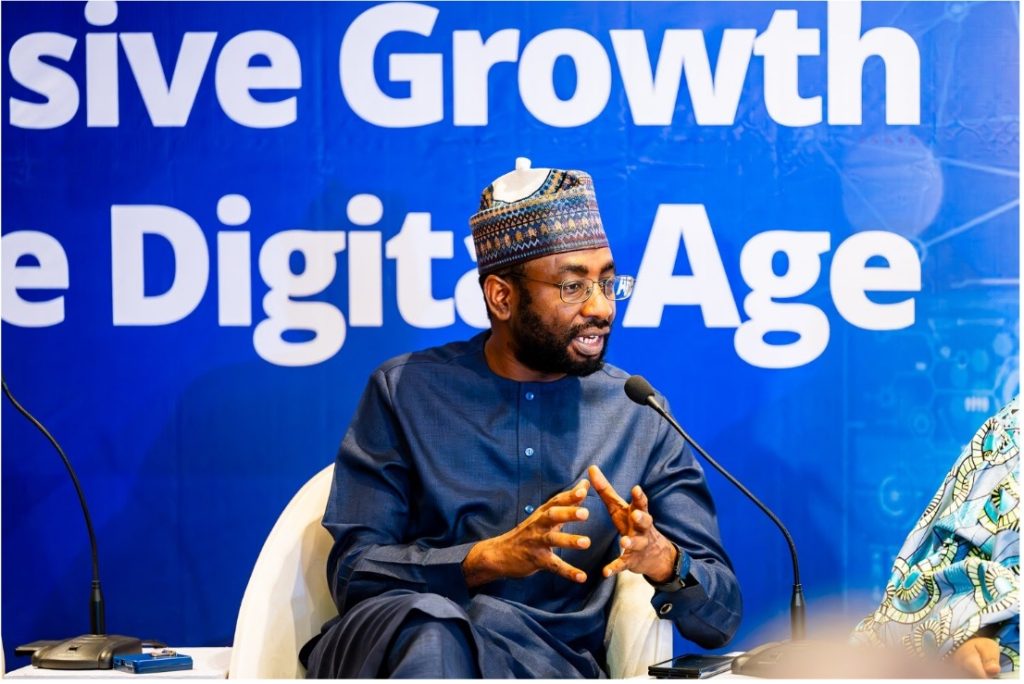
NITDA DG: Digital Infrastructure Critical to Nigeria’s Economic Growth

By James Ishaku The Director-General of the National Information Technology Development Agency (NITDA), Kashifu Inuwa, has emphasised the need for inclusive digital infrastructure, affordable connectivity and sustained investment in emerging technologies to accelerate Nigeria’s economic growth and ensure that no citizen is left behind in the digital economy. Inuwa stated this while participating in a session titled “Inclusive Growth in the Digital Age” at the 32nd Nigerian Economic Summit (NES#32), organised by the Federal Ministry of Budget and Economic Planning while highlighting the importance of expanding telecommunications infrastructure, particularly to underserved and rural communities, noting that Africa’s telecommunications history demonstrates how innovation can overcome seemingly insurmountable barriers to development. Reflecting on the growth of the telecommunications sector since 2000, he recalled that many investors were initially reluctant to commit resources to the industry because of doubts about Africans’ ability to afford mobile phones. However, innovative approaches to infrastructure development and service delivery helped transform the sector despite inadequate electricity, roads and other essential infrastructure. According to him, innovation must focus on democratising access, reducing costs and extending connectivity to rural communities to ensure that every citizen can participate meaningfully in the digital economy. He noted that connectivity has become fundamental to social and economic inclusion, particularly as artificial intelligence (AI) increasingly shapes decision-making and service delivery worldwide. “If you are not represented, if you are not digitally visible, AI will not see you or consider you when making decisions,” he said, stressing that the exclusion of communities from the digital ecosystem could also mean the underrepresentation of their cultures, values and languages in emerging technologies. Inuwa said the Federal Government, under President Bola Ahmed Tinubu’s leadership, was committed to using technology to promote inclusivity and national prosperity. He explained that the President of Nigeria had directed the Minister of communications, Innovation and Digital Economy, Bosun Tijani to conceptualise two major initiatives aimed at expanding connectivity across the country: the Universal Service Provision Fund (USPF) project and Project BRIDGE. According to him, the USPF initiative is designed to extend telecommunications coverage to underserved areas through the deployment of base stations, while Project BRIDGE aims to deploy approximately 95,000 kilometres of fibre-optic infrastructure nationwide. He said the initiatives would promote open-access infrastructure, encourage private-sector participation and make broadband services more affordable for Nigerians. The NITDA Director General also called for a broader understanding of infrastructure development, arguing that the digital economy requires investments beyond conventional infrastructure such as roads and railways. “Today, we are in a digital era; therefore, we need to build digital highways for our data as well,” he said. He added that as Nigeria advances its artificial intelligence ambitions, investments in data centres, computing capacity and AI factories would be essential to ensuring that the country can harness the technology’s economic potential. Inuwa further highlighted the relationship between connectivity, productivity and affordability, describing it as a chicken-and-egg situation. He explained that while telecommunications operators are concerned about consumers’ ability to pay for services, improved connectivity can enhance productivity, expand business opportunities and increase incomes, thereby strengthening citizens’ capacity to afford digital services. He stressed the need to connect underserved communities so that individuals and businesses could use technology to improve their livelihoods, access new markets and participate more effectively in economic activities. Beyond economic benefits, Inuwa said expanded digital infrastructure would enable the government to improve public service delivery and reduce operational costs by making essential services more accessible online. He explained that citizens interact with government institutions at different stages of their lives, from birth registration and healthcare to education, employment, business development, marriage and property ownership. However, the traditional process often requires citizens to visit multiple government offices to access these services. According to him, a well-developed digital infrastructure would enable citizens to access government services more conveniently, improve service delivery and reduce administrative overheads. He maintained that bridging Nigeria’s digital divide requires coordinated action by government and the private sector, supported by sustained investment in connectivity and advanced digital infrastructure. Inuwa reiterated that inclusive digital development remains essential to ensuring that all Nigerians can benefit from technological innovation, contribute to national productivity and participate in the country’s emerging digital economy.

Latest New, NITDA News, Press Release

NITDA DG Calls for Africa’s Transition from Digital Consumers to Global Creators ; Unveils Strategy to Connect Nigerian Startups with Markets- Targets 3billion Naira Investment Pipeline

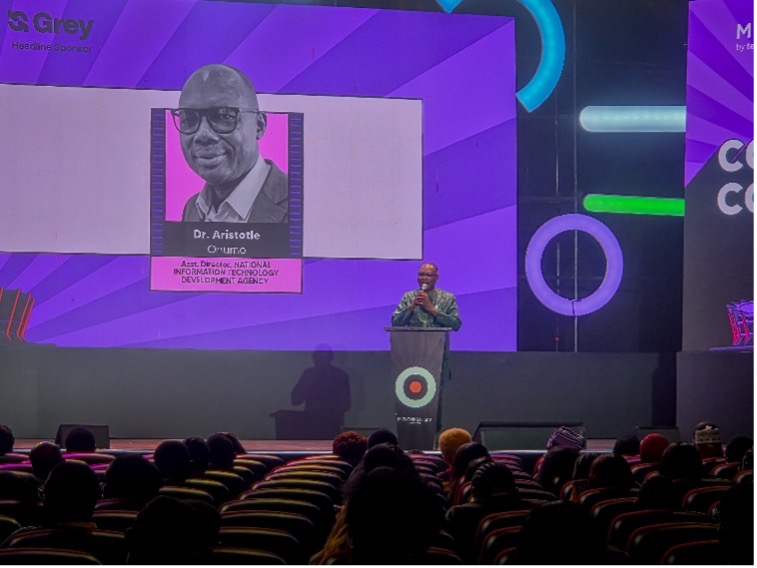
LAGOS, October 30, 2026 — The Director-General of the National Information Technology Development Agency (NITDA), Kashifu Inuwa Abdullahi, CCIE, has challenged African innovators, investors and policymakers to transform the continent from a major consumer of digital technologies into a globally competitive creator of innovative solutions, intellectual property and sustainable technology enterprises. In his keynote address prepared for Moonshot 2026, organised by TechCabal at the National Theatre, Lagos, from October 28–29, under the theme “Courage & Conviction — Building for a New World,” the NITDA boss emphasised that Africa’s technological future must be defined by innovation, entrepreneurship, collaboration and measurable economic impact. “Africa’s next chapter will not be written by the technologies we consume. It will be written by the value we have the courage to create,” he declared. Abdullahi observed that Africa possesses exceptional technological talent but continues to face significant gaps in access to infrastructure, financing, mentorship and markets. He stressed that bridging these gaps requires stronger collaboration among government, universities, investors, technology companies and innovation hubs. Highlighting NITDA’s evolving role as an ecosystem orchestrator, he explained that the Agency’s Strategic Roadmap and Action Plan (SRAP 2.0) prioritises connecting digital talent to opportunities, research to commercialisation, startups to capital, innovation to markets and technological advancement to public trust. He challenged Nigeria’s technology ecosystem to move beyond celebrating hackathons, pitch competitions and funding announcements towards building commercially viable enterprises that create jobs, solve real problems and compete internationally. “The true measure of an innovation ecosystem is not how many startups it celebrates. It is how many sustainable enterprises it helps create,” he stated. As part of this transformation, the Director-General highlighted the forthcoming Builders’ Festival at the Digital Nigeria International Conference and Exhibition, scheduled for November 10–12, 2026, in Abuja. The initiative aims to connect indigenous startups developing solutions to real industry challenges with corporate organisations, investors and potential customers, targeting a ₦3 billion investment pipeline for promising entrepreneurs. He clarified that the figure represents a mobilisation target rather than funding already secured. On artificial intelligence, Abdullahi urged Nigeria to develop indigenous AI capabilities in agriculture, healthcare, education, manufacturing and local-language technologies rather than remain dependent on imported applications. He called on investors to support promising indigenous enterprises, corporations to create opportunities for startup solutions, and government institutions to strengthen enabling policies, infrastructure and strategic partnerships. Concluding, the NITDA boss maintained that Africa’s technological competitiveness would depend on three critical foundations: innovation, trust and disciplined execution. “The future will not belong only to those who predict it. It will belong to those with the courage to build it, the conviction to sustain it, and the discipline to make it work,” he declared. He urged African innovators to embrace global ambition while developing solutions that create lasting economic opportunities and prosperity across the continent. “Let us stop asking whether Africa can build the future. Let us start demonstrating how Africa will build it.”

Latest New, NITDA News, Press Release

NITDA, CBN PARTNER TO STRENGTHEN NIGERIA’S DIGITAL SOVEREIGNTY THROUGH NATIONAL SOVEREIGN CLOUD INITIATIVE

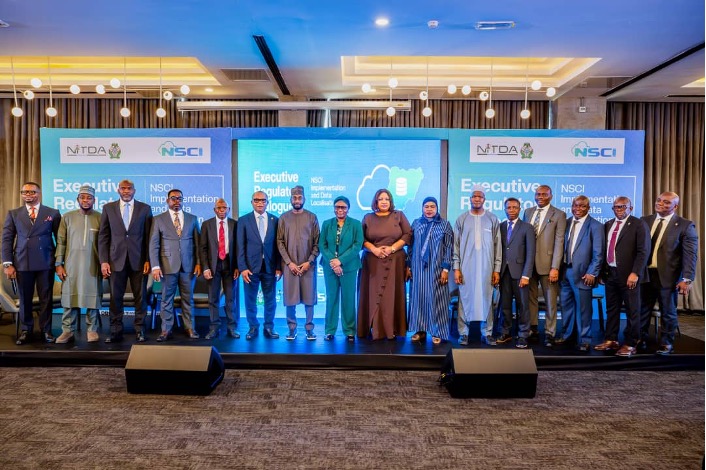
by Oluwole Alao The National Information Technology Development Agency (NITDA) has reaffirmed its commitment to strengthening Nigeria’s digital sovereignty and protecting the nation’s critical digital infrastructure through its partnership with the Central Bank of Nigeria (CBN) to advance the implementation of the National Sovereign Cloud Initiative and data localisation. NITDA Director General, Kashifu Inuwa, CCIE, made this known at the Executive Regulatory Dialogue, organised by NITDA in partnership with the Central Bank of Nigeria (CBN), which brought together stakeholders across the financial services, telecommunications, data centre, and technology sectors to discuss strategies for strengthening Nigeria’s control over the digital infrastructure that underpins its economy. During his welcome and context-setting address, Inuwa emphasised that digital sovereignty has become a critical national priority as Nigeria’s economy increasingly relies on digital platforms and infrastructure to deliver essential services, particularly in the financial sector. While highlighting the potential implications of external disruptions to essential digital services, Inuwa questioned, “Imagine what will happen to our economy if tomorrow a major disruption or geopolitical crisis prevents our banks from accessing critical digital infrastructure hosted outside our country. Can our citizens still transfer money? Can businesses still receive payments? Can our banks keep processing transactions? Can our economy continue functioning?” He explained that such concerns extend beyond technology to issues of national economic security, financial stability and the country’s ability to maintain control over its digital future. According to the NITDA DG, digital sovereignty should not be interpreted as technological isolation or an attempt to develop every technology locally. Rather, it involves building the national capacity required to make informed decisions about the technologies, infrastructure and standards on which the country depends. “Digital sovereignty is not about politics. It is not about isolation. It is not about building everything ourselves, but it is about building our digital capacity to compete in the world we are today,” Inuwa stated.   He noted that Nigeria’s financial sector provides a compelling example of how deliberate policy decisions can stimulate digital transformation and local innovation. Recalling the introduction of the CBN’s cashless policy years ago, he explained that the policy’s push for financial institutions to upgrade their technology infrastructure helped create opportunities for fintech companies to develop innovative solutions, contributing to Nigeria’s emergence as a leading fintech ecosystem. He commended the CBN for taking further steps to strengthen the country’s control over the infrastructure supporting financial services, expressing confidence that the sector could once again lead the way in advancing Nigeria’s digital transformation. “Through this partnership, NITDA and CBN are working together to make sure the financial sector is the first sector to comply with our National Sovereign Cloud Initiative,” he stated. Inuwa further explained that NITDA’s role is to provide the standards and overarching policy framework that sector-specific regulators can leverage to advance digital transformation within their respective industries. He stressed that achieving digital sovereignty requires a collaborative ecosystem involving financial institutions, telecommunications operators, data centre providers, system integrators, technology companies and global cloud service providers. He assured stakeholders that the Nigerian technology ecosystem has the capacity to support the initiative, noting that the country is building on existing capabilities and international experience rather than starting from scratch. “We have done it before, and we are going to do it now. So this is not something you can doubt; it is something that already exists,” he said, urging stakeholders to work collectively towards implementing the initiative. The NITDA boss further disclosed that an assurance framework would guide implementation, with the Agency seeking to leverage existing international certification standards while ensuring compliance with Nigeria’s national sovereign architecture requirements. He added that the development of national certification options was also being explored to provide greater flexibility and choice. He identified control, independence, resilience, risk management and freedom of choice as fundamental principles of digital sovereignty. According to him, Nigeria must develop the capacity to maintain essential services despite external disruptions, reduce exposure to geopolitical and technology-related risks, and avoid excessive dependence on individual vendors or jurisdictions.   While underscoring the need for resilient digital infrastructure capable of sustaining critical financial operations during disruptions, Inuwa averred, “Submarine cable disruption cannot automatically affect our payment system.” He added that the initiative would help prevent vendor lock-in and strengthen Nigeria’s ability to determine the technologies and infrastructure best suited to its national interests. In his keynote address, the Deputy Governor, Financial System Stability, CBN, Mr Lamido Abubakar Yuguda, reaffirmed the Bank’s commitment to strengthening Nigeria’s financial stability, cybersecurity and protection of critical financial data through the implementation of the National Sovereign Cloud Initiative (NSCI) and data localisation. Yuguda commended NITDA for its leadership in advancing Nigeria’s digital transformation agenda, noting that the growing adoption of digital payments, fintech, mobile money and digital banking has increased the financial sector’s dependence on digital infrastructure. He stressed that financial institutions must strengthen cybersecurity, business continuity, disaster recovery and risk management arrangements, while ensuring compliance with applicable data localisation requirements and the January 1, 2027, implementation timeline for critical payment transaction data. The CBN Deputy Governor emphasised that the initiative should promote innovation rather than isolate Nigeria from global technological developments, calling for stronger collaboration among regulators, financial institutions and technology providers. “Our collective objective should be clear: to build a digital financial ecosystem that is innovative without compromising security, sovereign without becoming isolated and resilient enough to sustain public confidence,” he stated. In his presentation on the pre-event survey findings, the Special Assistant to the NITDA DG on Policy, Dr Muhammad Aminu Lawal, disclosed that the survey has identified regulatory clarity, migration timelines and local infrastructure capacity as critical issues requiring urgent attention ahead of the January 1, 2027, deadline. He, however, highlighted that on the supply side, the survey indicated that Nigeria has existing capacity to support early adopters, with 79 per cent of the 42 digital infrastructure and service providers surveyed reporting readiness to accommodate additional financial-sector workloads, while 74 per cent said they could onboard new financial customers within three months. Dr Lawal stated

Latest New, NITDA News, Press Release

NITDA DG Calls for Transition from Certificate Economy to Capability Economy

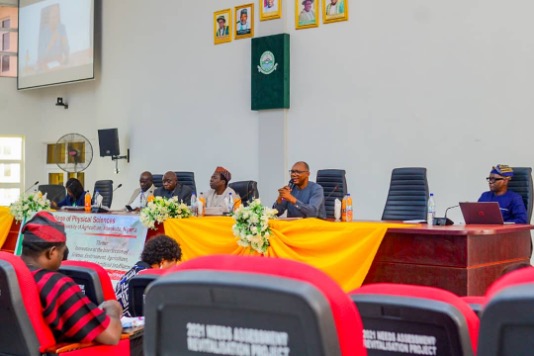
By Oluwole Alao   In alignment with the presidential agenda of Reforming the Economy for Sustained Inclusive Growth, the Director General of the National Information Technology Development Agency (NITDA), Kashifu Inuwa, CCIE, has called for a fundamental shift in Nigeria’s education system from an economy that places primary emphasis on academic certificates to one that prioritises practical capabilities, innovation, and the ability to translate knowledge into solutions that drive national development. The DG, who was represented by the agency’s Director of the Special Duties Department,  Dr Aristotle Onumo, made this call while delivering the keynote address at the 3rd International Biennial Conference of the College of Physical Sciences (COLPHYS 2026) at the Federal University of Agriculture, Abeokuta (FUNAAB), Ogun State. Speaking on the theme, “From Scientific Discovery to National Prosperity: Harnessing Artificial Intelligence and Convergent Innovation to Transform Nigeria,” he emphasised the need for universities to move beyond the traditional boundaries of academic disciplines and embrace collaborative research, emerging technologies, and practical problem-solving. Addressing the university community, researchers, scientists, entrepreneurs, and students, Inuwa noted that Nigeria’s development would depend not merely on the volume of research produced or the number of academic publications generated, but on the country’s ability to convert scientific knowledge into productive enterprises, innovative solutions, improved public services, and better livelihoods. “The future of our country will not be determined simply by how much research we produce. It will be determined by how effectively we convert research into productivity, innovation, enterprise and national prosperity,” he stated. He explained that Artificial Intelligence (AI) is increasingly enabling convergence across disciplines such as agriculture, healthcare, environmental science, mathematics, engineering, and data science, creating opportunities to address complex national challenges through multidisciplinary collaboration. According to him, AI should complement human expertise and strengthen scientific discovery rather than replace researchers or diminish the importance of human judgment. While stressing that the real value of technological advancement lies in its practical application to improve human lives, the DG said, “AI does not replace science. It amplifies science.” Using agriculture as an example, he illustrated how integrating agricultural science, satellite imagery, climate modelling, Internet of Things sensors, and AI could help farmers improve planting decisions, detect crop diseases, optimise irrigation, reduce input waste, and access better market information. He, however, cautioned that innovations must be designed around Nigeria’s realities, including local languages, affordability, limited connectivity, and the specific needs of the people expected to use them. He similarly highlighted opportunities for AI-enabled solutions in healthcare and climate resilience, including improved disease surveillance, clinical decision support, flood-risk prediction, and early-warning systems. He maintained that such technologies must be responsibly deployed, with appropriate safeguards for data privacy, accountability, fairness, and public trust. Inuwa reaffirmed NITDA’s commitment to strengthening Nigeria’s digital transformation ecosystem through digital literacy, talent development, digital infrastructure, innovation, and responsible technology adoption. He referenced the Agency’s Strategic Roadmap and Action Plan (SRAP 2.0), the National Digital Literacy Framework (NDLF), the Digital Literacy for All initiative (DL4ALL), and the 3 Million Technical Talent (3MTT) programme as key efforts supporting the development of the skills and capabilities required for a technology-driven economy. He also highlighted the importance of expanding access to reliable connectivity and research infrastructure, noting that scientific institutions need suitable computing resources, quality datasets, secure cloud environments, and dependable electricity to compete effectively and develop locally relevant innovations. He called for stronger partnerships among government, academia, industry, investors, and entrepreneurs to create pathways through which promising research can be validated, commercialised, and deployed at scale. Turning specifically to higher education institutions, the NITDA DG urged universities to redefine how they measure academic and institutional success by placing greater emphasis on research impact, collaborative problem-solving, entrepreneurship, and the development of graduates capable of creating opportunities rather than merely seeking existing jobs. “The university of the future cannot remain merely a place where knowledge is transmitted, and certificates are awarded. It must become a place where problems are investigated, solutions are developed, enterprises are created, and society is transformed,” he said. He encouraged universities to strengthen technology transfer mechanisms, establish more effective research-industry partnerships, expand entrepreneurship education, and connect innovation hubs to real market and community needs. He further challenged researchers to consider how their discoveries could progress from academic publications to working prototypes, field-tested solutions, and sustainable products or services that address pressing national challenges. Speaking directly to students, Inuwa emphasised that academic qualifications remain important but must be complemented by relevant competencies, including digital and AI literacy, critical thinking, communication, teamwork, ethical judgment, and the capacity to solve practical problems. “Your certificate may open the door, but your capability will determine how far you go,” he remarked, urging students to use emerging technologies not merely to reproduce existing knowledge but to investigate difficult questions, discover new possibilities, and develop solutions to problems affecting their communities. As part of his challenge to FUNAAB and its partners, the DG proposed a practical 12-month innovation agenda aimed at translating conference deliberations into measurable outcomes. He urged the College of Physical Sciences to identify a select number of high-impact national challenges within the first 90 days, establish collaborative research teams and begin developing prototypes within six months, test promising solutions with relevant communities and industry partners within nine months, and organise a research-to-impact showcase within 12 months. He stressed that the proposed agenda should be assessed through tangible outcomes, including validated prototypes, effective partnerships, commercialisation opportunities, and measurable benefits to society, rather than speeches and presentations alone. He also encouraged the conference organisers to build on the technical sessions and proposal-writing workshop to develop fundable, collaborative research projects. Inuwa expressed NITDA’s openness to exploring structured, mandate-aligned collaboration with academic and research institutions, particularly in areas that advance digital skills, responsible AI, indigenous innovation, and practical applications of emerging technologies. He maintained, however, that successful partnerships must begin with clearly defined problems and credible implementation plans. He challenged researchers, university leaders, and students to reflect on the problems their research would solve, the lives their innovations would improve,

Latest New, NITDA News, Press Release

NITDA, Key Stakeholders Galvanise Partnerships to Accelerate Nigeria’s Digital Transformation

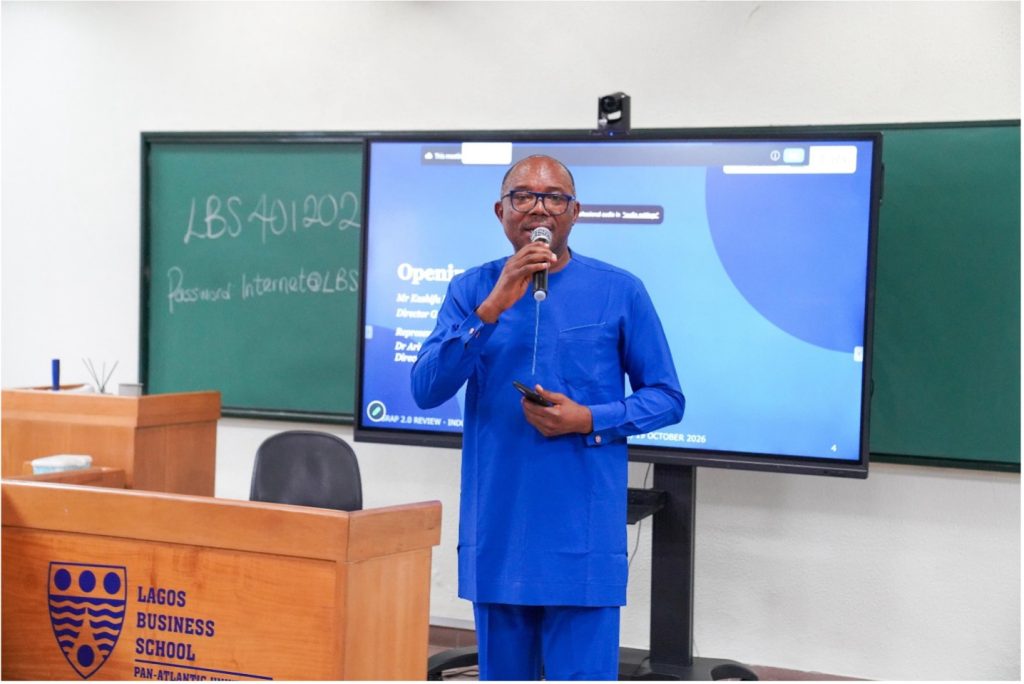
By James Ishaku The National Information Technology Development Agency (NITDA) has reaffirmed the importance of strategic partnerships and stakeholder collaboration in advancing Nigeria’s digital transformation agenda, calling for renewed commitment to the implementation of its strategic roadmap and action plan. The Director General of NITDA, Kashifu Inuwa, who was represented by Dr Aristotle Onumo,  Director, Special Duties Directorate made the statement during  the SRAP 2.0 Stakeholders’ Engagement at Lagos Business School, Lagos State. Inuwa commended the leadership of Lagos Business School for sustaining the partnership with the agency, noting that collaboration and collective intelligence remained critical to achieving meaningful progress in Nigeria’s digital ecosystem. He stressed that the impact of the agency’s initiatives could be deepened through stronger partnerships, adding that inclusive stakeholder participation was essential to delivering sustainable results in the country’s digital transformation efforts. According to him, the strategic roadmap and action plan were developed through extensive stakeholder consultations and collaborative engagements, rather than as an internal document produced without external input. He noted that stakeholders, including members of Lagos Business School, actively participated in developing the document, making their continued involvement in reviewing its implementation necessary. The DG explained that the engagement provided an opportunity to assess progress, determine whether existing priorities remained relevant, identify areas requiring modification and establish whether the initiatives were delivering their intended impact. He emphasised that the review was also necessary to evaluate progress against commitments made to stakeholders and ensure that the agency’s programmes continued to respond to the evolving needs of Nigeria’s digital ecosystem. The NITDA DG also acknowledged the contributions of colleagues at the agency, highlighting its gradual transition towards becoming an ecosystem platform for digital innovation. He observed that the agency’s approach was increasingly embracing co-creation and collaboration, moving beyond the traditional model of issuing regulations, directives and guidelines to working with stakeholders in developing and delivering digital solutions. According to him, this approach was essential to building an enabling environment where innovation could thrive and digital initiatives could achieve broader societal and economic impact. Inuwa further noted that the agency had spent the past three years advancing the transition and was approaching the final phase of the process. He urged stakeholders to renew their commitment and sustain the momentum required to achieve the desired outcomes. Reaffirming the agency’s vision, he said the goal remained to make Nigeria a digitally enabled nation, fostering inclusive economic development through technological innovation. He explained that the eight strategic pillars underpinning the roadmap remained central to achieving this vision and would continue to guide the agency’s priorities and interventions. The DG urged stakeholders to critically assess progress across these areas, particularly in digital skills development, regulatory effectiveness, digital infrastructure and services, entrepreneurship, innovation and the growth of Nigeria’s startup ecosystem. He also highlighted the importance of examining progress in implementing the Startup Act and assessing its contribution to strengthening the startup community and promoting innovation-driven enterprise development. On stakeholder engagement, he stressed the need to ensure that relevant players across the digital ecosystem were carried along, noting that effective collaboration remained essential to achieving the objectives of the national digital agenda. He expressed confidence that sustained partnerships, collective commitment and constructive contributions from stakeholders would help the agency address emerging challenges, strengthen implementation and advance Nigeria’s digital development goals. Inuwa concluded by urging stakeholders to embrace the partnership approach and work collectively towards building a digitally enabled Nigeria that could serve as a catalyst for digital transformation across Africa.